A nurse is assessing a newborn following a vaginal delivery. Which of the following findings should the nurse report to the provider?
A.
Heart rate 136/min
B.
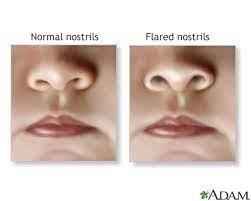
Nasal flaring
C.
Transient strabismus
D.
Overlapping of sutures
The Correct Answer and Explanation is:
The correct answer is B. Nasal flaring.
Explanation:
Nasal flaring in a newborn is an important clinical sign that indicates respiratory distress and should be reported to the healthcare provider immediately. This finding suggests that the infant is experiencing difficulty breathing and is using additional respiratory muscles to increase airflow. Nasal flaring occurs when the nostrils widen during inhalation, which can be a sign of compromised respiratory function.
Here’s a closer look at the other options:
- A. Heart rate 136/min: This heart rate is within the normal range for a newborn. Typically, a newborn’s heart rate ranges from 120 to 160 beats per minute when at rest. A rate of 136/min is considered normal and does not usually warrant concern unless other symptoms are present.
- C. Transient strabismus: Transient strabismus, or temporary misalignment of the eyes, is a common finding in newborns. It often occurs because of the immaturity of the eye muscles and usually resolves as the infant’s visual system develops. This finding alone is generally not alarming and does not require immediate reporting unless it persists or is associated with other concerning symptoms.
- D. Overlapping of sutures: Overlapping of the cranial sutures, known as molding, is a normal occurrence following a vaginal delivery. It happens as the baby’s head adjusts to the birth canal during delivery. This condition usually resolves within a few days as the bones of the skull realign and the swelling decreases.
In summary, nasal flaring is indicative of respiratory distress and requires prompt attention. It may be a sign of conditions such as respiratory distress syndrome or other respiratory issues that need immediate evaluation and intervention. Reporting this finding to the healthcare provider ensures that appropriate measures can be taken to address the newborn’s respiratory needs and ensure their well-being.