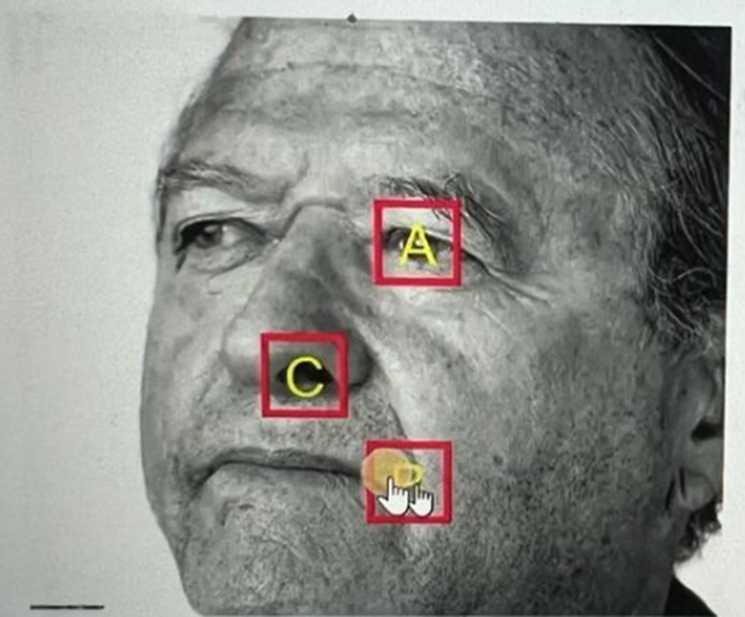
A nurse is collecting data from a client who has iron deficiency anemia. Which of the following locations should the nurse monitor for the clinical manifestation of cheilosis? (You will find hot spots to select in the art work below. Select only the hotspot that corresponds to your answer.)
A.
A
B.
B
C.
C
The Correct Answer and Explanation is :
The correct answer is A.
Cheilosis, also known as angular cheilitis, is a condition marked by painful cracks or sores at the corners of the mouth. It is often associated with nutritional deficiencies, particularly in iron and B vitamins like riboflavin (vitamin B2). In iron deficiency anemia, insufficient iron impairs hemoglobin production, leading to a reduction in oxygen transport throughout the body. This results in various symptoms, including fatigue, pallor, and specific dermatological manifestations like cheilosis.
Why Cheilosis Occurs
Cheilosis is commonly linked to iron deficiency because iron plays a critical role in maintaining the integrity of the mucous membranes and skin. Iron is essential for collagen synthesis and the maintenance of epithelial tissue. A deficiency can weaken these structures, making the skin more prone to breakdown, particularly in areas subject to constant movement or moisture, such as the corners of the mouth. Additionally, iron deficiency anemia can lead to immune system suppression, making infections more likely, which can exacerbate the condition.
Monitoring for Cheilosis
In clients with iron deficiency anemia, it is crucial for nurses to monitor for signs of cheilosis at the corners of the mouth. These areas (denoted by the “A” option in the artwork) may become inflamed, cracked, and painful. The condition can impair a client’s ability to eat and speak comfortably, and may sometimes be accompanied by a fungal infection such as Candida if not treated promptly.
Nursing Interventions
Treatment of cheilosis in clients with iron deficiency anemia involves addressing the underlying nutritional deficiency through iron supplementation or dietary adjustments. Nursing care may also include maintaining good oral hygiene and applying topical treatments to help heal the affected areas. Encouraging the client to consume iron-rich foods, such as red meat, leafy greens, and fortified cereals, is also vital in managing the condition.