The nurse is admitting a male client who takes lithium carbonate twice a day. Which information should the nurse report to the healthcare provider immediately?
A.
Five-pound (2.3 kg) weight gain.
B.
Nausea and vomiting.
C.
Short-term memory loss.
D.
Depressed affect.
The Correct Answer and Explanation is:
The correct answer is B. Nausea and vomiting.
Explanation:
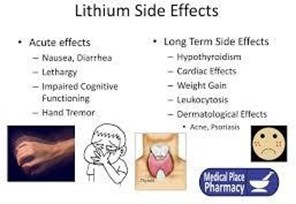
Lithium carbonate is commonly used to manage bipolar disorder, and it requires careful monitoring due to its narrow therapeutic range and potential for toxicity. Lithium levels in the blood must be kept within a specific range to be effective and safe. Symptoms of nausea and vomiting are particularly concerning because they can be indicative of lithium toxicity.
Lithium toxicity can occur when the concentration of lithium in the blood becomes too high. Symptoms of toxicity may include gastrointestinal disturbances such as nausea, vomiting, and diarrhea, along with more severe signs like tremors, confusion, and ataxia. These symptoms can result from various factors, including dehydration, electrolyte imbalances, or an increase in lithium intake or absorption. Immediate reporting of nausea and vomiting to the healthcare provider is crucial as it may signal that the client’s lithium levels are elevated and that further investigation and intervention are needed to prevent severe complications.
In contrast:
- A. Five-pound (2.3 kg) weight gain: While weight gain can be a side effect of lithium therapy, a 5-pound weight gain alone is not typically an urgent issue requiring immediate reporting. It should be monitored, but it does not generally indicate an immediate problem with lithium levels.
- C. Short-term memory loss: This may be a side effect of lithium, but it is not usually considered an acute or critical issue requiring immediate attention unless it is severe or impacting daily functioning significantly.
- D. Depressed affect: Depression or changes in mood can occur in individuals with bipolar disorder, and while they are important to address, they are not as urgent in the context of potential lithium toxicity as gastrointestinal symptoms like nausea and vomiting.
In summary, nausea and vomiting are significant symptoms that may suggest lithium toxicity and require prompt evaluation and management to avoid serious complications.