The nurse is admitting a male client who takes lithium carbonate twice a day. Which information should the nurse report to the healthcare provider immediately?
A.
Five-pound (2.3 kg) weight gain.
B.
Nausea and vomiting.
C.
Short-term memory loss.
D.
Depressed affect.
The Correct answer and Explanation is:
The correct answer is B. Nausea and vomiting.
Explanation:
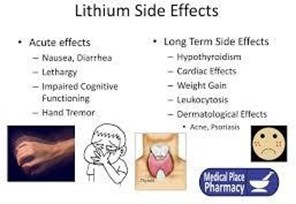
When admitting a male client taking lithium carbonate, it’s crucial for the nurse to monitor and assess for any signs of lithium toxicity, as lithium has a narrow therapeutic range. The most critical information to report to the healthcare provider immediately is nausea and vomiting. These symptoms can indicate elevated lithium levels, which can lead to serious complications.
Lithium Toxicity: Lithium is commonly used to treat bipolar disorder and requires careful monitoring of serum levels. Toxicity can occur when levels exceed the therapeutic range (0.6 to 1.2 mEq/L). Symptoms of toxicity often begin with gastrointestinal disturbances such as nausea, vomiting, diarrhea, and abdominal discomfort. If these symptoms present, the healthcare provider may need to order immediate serum lithium level testing and assess the need for intervention, which could include hydration, dosage adjustments, or even hospitalization for more severe cases.
Weight Gain (A): While a five-pound weight gain might be concerning, it is a relatively common side effect of long-term lithium therapy and does not warrant immediate action.
Short-term Memory Loss (C): Cognitive effects, including memory issues, may occur with lithium use, but they are generally less urgent and may require monitoring rather than immediate intervention.
Depressed Affect (D): While important to note, a depressed affect can result from the underlying mood disorder and is not an immediate indication of lithium toxicity.
In summary, nausea and vomiting are significant indicators that necessitate immediate attention due to the risk of lithium toxicity. Prompt reporting allows for timely intervention, potentially preventing more severe adverse effects.