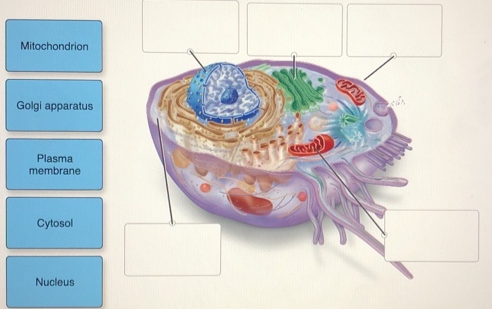
Identify the structures of a prototypical human cell.
The Correct Answer and Explanation is :
A prototypical human cell consists of several key structures, each with distinct functions. Here’s a summary of some of the most important components:
- Cell Membrane: The outer boundary that regulates the entry and exit of substances, composed of a phospholipid bilayer with embedded proteins.
- Nucleus: Contains the cell’s genetic material (DNA) and is the site of DNA replication and RNA transcription. It is surrounded by a nuclear membrane with pores for material exchange.
- Cytoplasm: The gel-like substance filling the cell, where various organelles are suspended and biochemical reactions occur.
- Mitochondria: Known as the powerhouse of the cell, they produce energy in the form of ATP through cellular respiration.
- Ribosomes: Small structures that are responsible for protein synthesis, either free-floating in the cytoplasm or attached to the rough endoplasmic reticulum.
- Endoplasmic Reticulum (ER): The rough ER has ribosomes attached and is involved in protein synthesis and modification, while the smooth ER synthesizes lipids and detoxifies certain chemicals.
- Golgi Apparatus: Modifies, sorts, and packages proteins and lipids for transport inside or outside the cell.
- Lysosomes: Contain digestive enzymes that break down waste materials, old organelles, and foreign invaders like bacteria.
- Cytoskeleton: Provides structural support, maintains the cell shape, and facilitates movement of materials within the cell and movement of the cell itself.
- Centrosomes and Centrioles: Involved in organizing microtubules during cell division.
These structures work together to ensure the proper functioning and survival of the cell, from energy production and waste management to genetic regulation and cell division.