What would be the biggest challenge an auditor might face following your chosen section?
The correct answer and explanation is :
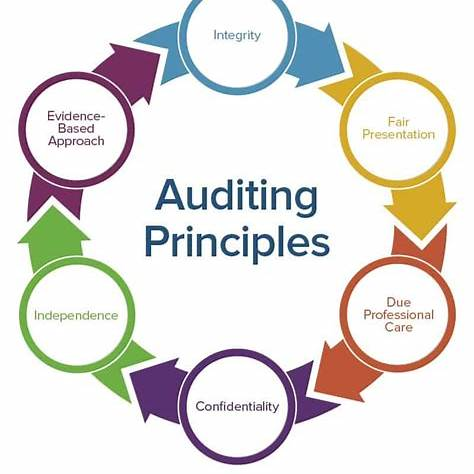
Among the various guidelines governing the auditing profession, the International Standards of Supreme Audit Institutions (ISSAI) stand out as a comprehensive framework designed to ensure the quality and consistency of public sector audits globally. Issued by the International Organization of Supreme Audit Institutions (INTOSAI), these standards provide a structured approach to auditing public entities.
Summary of ISSAI Guidelines:
The ISSAI framework is organized into four hierarchical levels:
- Founding Principles (Level 1): This includes the Lima Declaration, which outlines the fundamental principles of auditing, emphasizing the need for independence, objectivity, and effective public sector auditing.
- Prerequisites for the Functioning of Supreme Audit Institutions (Level 2): These standards address the necessary conditions for Supreme Audit Institutions (SAIs) to operate effectively, such as legal frameworks, mandates, and organizational independence.
- Fundamental Auditing Principles (Level 3): This level provides the core principles for auditing, covering general standards, field standards, and reporting standards that guide auditors in conducting their work.
- Auditing Guidelines (Level 4): These are detailed guidelines for various types of audits, including financial, performance, and compliance audits, offering practical assistance to SAIs in implementing the standards.
Potential Additions to the Guidelines:
While the ISSAI framework is comprehensive, the evolving nature of public sector challenges suggests areas for enhancement:
- Integration of Technology in Auditing: As digital transformation accelerates, guidelines on leveraging technologies like data analytics, artificial intelligence, and blockchain in auditing processes could be beneficial. This would help auditors handle large datasets and identify anomalies more efficiently.
- Environmental and Sustainability Audits: With increasing global focus on environmental issues, incorporating standards specific to auditing environmental programs and sustainability initiatives would ensure that SAIs are equipped to assess these critical areas.
Guidelines That Could Be Reevaluated:
The ISSAI framework is designed to be adaptable; however, periodic reassessment is essential:
- Overlapping Standards: Some guidelines may overlap or become redundant over time. Regular reviews could streamline the standards, eliminating unnecessary duplications and ensuring clarity.
Challenges Auditors Might Face:
Adhering to the ISSAI guidelines presents several challenges:
- Resource Constraints: Implementing comprehensive standards requires adequate resources. SAIs in developing countries might struggle with limited budgets and trained personnel, hindering full compliance.
- Keeping Pace with Change: Rapid technological advancements and emerging audit areas, such as cybersecurity and data privacy, require continuous updates to the standards and ongoing training for auditors.
- Ensuring Independence: Maintaining independence can be challenging, especially in environments with political interference, impacting the objectivity and effectiveness of audits.
In conclusion, the ISSAI guidelines provide a robust framework for public sector auditing. However, to remain relevant and effective, they must evolve with changing technologies, emerging audit areas, and the varying capacities of SAIs worldwide. Auditors must navigate these challenges to uphold the integrity and quality of their work.