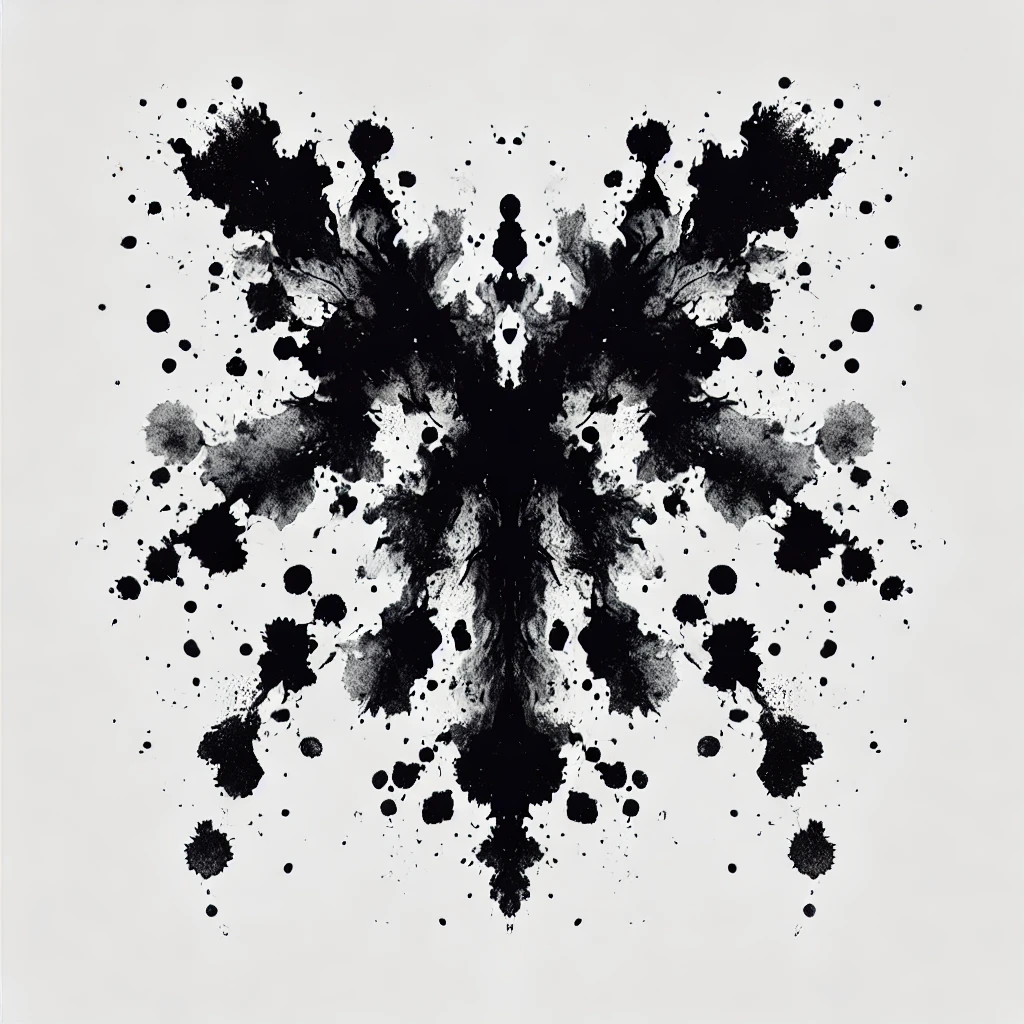
Projective tests are based on the assumption that, when presented with ambiguous stimuli,
- psychologically disturbed individuals will lie about what they see.
- people will describe the stimuli in ways that reflect their unconscious issues.
- only the most stable of individuals will be able to respond sensibly.
- people will distort their answers to protect their egos.
The correct answer and explanation is:
Correct Answer:
People will describe the stimuli in ways that reflect their unconscious issues.
Explanation:
Projective tests are psychological assessments that present individuals with ambiguous stimuli, such as inkblots or incomplete sentences, with the goal of uncovering hidden thoughts, emotions, and conflicts. These tests are based on the psychodynamic theory, particularly the ideas of Sigmund Freud and Carl Jung, which suggest that unconscious processes influence behavior and personality.
The rationale behind projective tests is that when individuals are faced with ambiguous stimuli, they will project their unconscious feelings, desires, and conflicts onto the stimulus. This projection happens because there are no clear, structured responses, so individuals must rely on their own internal world to interpret what they see. Unlike objective tests, which have fixed response options, projective tests allow for open-ended answers that psychologists analyze for patterns and underlying psychological themes.
One of the most famous projective tests is the Rorschach Inkblot Test, where individuals describe what they see in a series of inkblot images. Another well-known test is the Thematic Apperception Test (TAT), which involves telling a story about ambiguous pictures of people and situations. Both tests aim to reveal aspects of personality that may not be accessible through direct questioning.
These tests are particularly useful in clinical settings to explore deep-seated issues like trauma, anxiety, and personality disorders. However, because they are subjective and depend heavily on the psychologist’s interpretation, they are sometimes criticized for lacking reliability and validity. Despite these criticisms, projective tests remain valuable tools in psychoanalysis and therapy for gaining insights into a person’s unconscious mind.
Now, I’ll generate an image representing a classic projective test, such as an inkblot or an ambiguous scene used in psychological assessments.
Here is a mysterious inkblot resembling a Rorschach test. It’s an abstract and symmetrical image designed to be open to interpretation, just like those used in projective tests. Let me know if you need any modifications or further explanations!