Conceding to parts of the objection is one way of handling objections and reducing sales resistance.
The correct answer and explanation is :
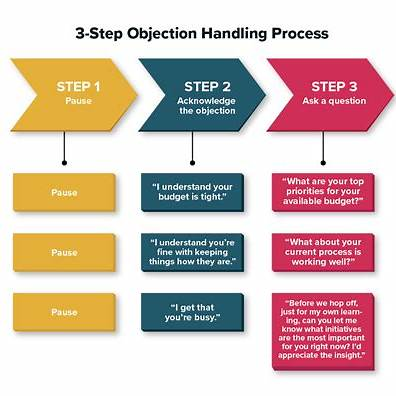
Conceding to parts of an objection is a strategic approach in sales that involves acknowledging and validating a prospect’s concerns, thereby reducing resistance and fostering a collaborative relationship. This method demonstrates empathy and understanding, which can significantly enhance the likelihood of advancing the sales process.
Understanding Objection Concession
In sales, objections are common and can stem from various concerns such as price, product fit, or timing. By conceding to certain aspects of these objections, sales professionals show that they are attentive and responsive to the prospect’s needs. This doesn’t mean agreeing with every point but rather recognizing valid concerns and addressing them thoughtfully.
Benefits of Conceding to Objections
- Builds Trust and Rapport: When prospects feel heard and understood, it establishes trust. Acknowledging their concerns shows that the salesperson values their perspective, leading to a stronger rapport.
- Reduces Resistance: Addressing objections directly and conceding where appropriate can lower defenses, making the prospect more receptive to the proposed solution.
- Facilitates Problem-Solving: By understanding the root cause of objections, sales professionals can collaboratively work with prospects to find mutually beneficial solutions, moving the conversation forward.
Implementing the Concession Strategy
To effectively implement this strategy, consider the following steps:
- Listen Actively: Give full attention to the prospect’s concerns without interrupting. This shows respect and allows for a deeper understanding of their perspective.
- Ask Clarifying Questions: Encourage the prospect to elaborate on their objections. Open-ended questions can uncover underlying issues that may not be immediately apparent.
- Confirm Understanding: Paraphrase the objection to ensure clarity. This step demonstrates active listening and provides an opportunity to address any misunderstandings.
- Acknowledge Valid Points: Recognize the legitimacy of the prospect’s concerns. Validating their feelings can strengthen the relationship and make them more open to discussion.
- Address the Concern: Provide information or solutions that directly address the objection. This could involve offering additional benefits, adjusting the proposal, or providing testimonials that alleviate their concerns.
- Seek Agreement: After addressing the concern, ask if the solution satisfies their objection. This ensures that the issue has been resolved to their satisfaction.
Example Scenario
Consider a scenario where a prospect objects to the price of a product:
Prospect: “The product seems effective, but it’s beyond our budget.”
Salesperson: “I understand that budget constraints are a significant consideration. Many of our clients initially felt the same way. Could you share how you currently allocate your budget for solutions like ours?”
By asking this question, the salesperson invites the prospect to discuss their budgetary priorities, potentially uncovering areas where the product’s value aligns with their spending. This approach not only acknowledges the objection but also opens the door for a constructive dialogue aimed at finding a feasible solution.
Conclusion
Conceding to parts of an objection is a nuanced technique that, when executed thoughtfully, can transform potential barriers into opportunities for deeper engagement. It requires empathy, active listening, and a genuine desire to meet the prospect’s needs. By integrating this approach into their sales strategy, professionals can enhance relationships, reduce resistance, and increase the likelihood of successful outcomes.