Describe the differences between physical and chemical weathering
The correct answer and explanation is :
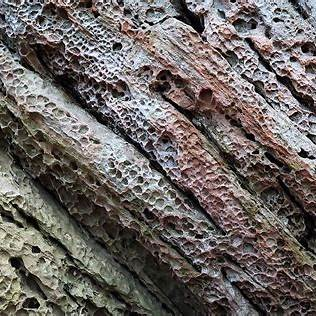
Weathering is the natural process by which rocks and minerals break down over time, leading to the formation of soil and altering Earth’s surface features. This process occurs through two primary mechanisms: physical weathering and chemical weathering.
Physical Weathering:
Physical weathering, also known as mechanical weathering, involves the breakdown of rocks into smaller fragments without changing their chemical composition. This process is driven by physical forces such as temperature fluctuations, freeze-thaw cycles, and mechanical abrasion. For example, in cold climates, water infiltrates cracks in rocks; when the water freezes, it expands, exerting pressure that can cause the rock to fracture. Similarly, the growth of plant roots into rock fissures can exert pressure, leading to rock disintegration.
Chemical Weathering:
Chemical weathering involves the alteration of a rock’s mineral composition through chemical reactions, often facilitated by water and atmospheric gases. This process can lead to the formation of new minerals and the dissolution of original rock components. For instance, the reaction of oxygen with iron-bearing minerals results in oxidation, producing iron oxide (rust) and weakening the rock structure. Another example is carbonation, where carbonic acid in rainwater reacts with limestone, leading to the rock’s dissolution and the creation of features like caves.
Key Differences:
- Mechanism: Physical weathering breaks rocks through mechanical forces without altering their chemical structure, while chemical weathering changes the rock’s composition through chemical reactions.
- Agents: Physical weathering is driven by physical forces such as temperature changes, ice expansion, and biological activity. In contrast, chemical weathering is driven by chemical agents like acids, oxygen, and water.
- Result: Physical weathering results in smaller rock fragments with the same composition, whereas chemical weathering produces new minerals and can lead to the complete dissolution of the original rock.
Both physical and chemical weathering play crucial roles in shaping Earth’s landscapes, often working in tandem to break down rocks and contribute to soil formation.