Determine whether the following statement is true or false. If it is false, rewrite it as a true statement. A double-blind experiment is used to increase the placebo effect. Choose the correct answer below.
A. The statement is false. Double blinding is used to decrease the placebo effect.
B. The statement is false. Double blinding is used to increase the randomization.
C. The statement is true.
D. The statement is false. Double blinding has no effect on the placebo effect.
The correct answer and explanation is :
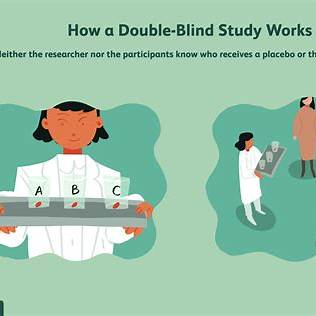
The statement “A double-blind experiment is used to increase the placebo effect” is false. The correct answer is:
A. The statement is false. Double blinding is used to decrease the placebo effect.
Explanation:
A double-blind experiment is a research design in which neither the participants nor the experimenters know who is receiving a particular treatment. This methodology serves multiple purposes, primarily to reduce bias and control for variables that could influence the study’s outcome.
Purpose of Double-Blinding:
- Minimizing Experimenter Bias: When researchers are unaware of which participants are receiving the treatment, it prevents them from inadvertently influencing the participants’ behavior or interpreting results in a biased manner.
- Reducing Participant Expectation Bias: Participants’ expectations can affect their perception of treatment efficacy. By keeping them blind to whether they are receiving the active treatment or a placebo, their expectations are less likely to skew the results.
Placebo Effect:
The placebo effect occurs when individuals experience real or perceived improvements in their condition simply because they believe they are receiving treatment, regardless of the treatment’s actual efficacy. This effect can confound study results if not properly controlled.
Role of Double-Blinding in Controlling the Placebo Effect:
By ensuring that both participants and researchers are unaware of who is receiving the active treatment, double-blinding helps isolate the true effects of the treatment from psychological factors like the placebo effect. This design allows for a more accurate assessment of the treatment’s efficacy.
Conclusion:
Double-blind experiments are specifically designed to decrease the placebo effect by preventing biases that could influence the study’s outcomes. Therefore, the original statement is false, and the correct understanding is that double-blinding is used to reduce, not increase, the placebo effect.