Which of the following is not a dimension of design quality?
A. Customization
B. Serviceability
C. Durability
D. Feature
The correct answer and explanation is :
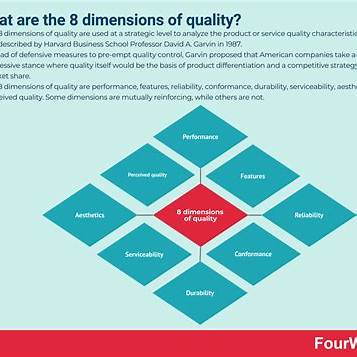
Among the options provided, “Customization” is not considered one of the traditional dimensions of design quality. The eight dimensions of quality, as introduced by Harvard Business School Professor David A. Garvin in 1987, are:
- Performance: This dimension refers to a product’s primary operating characteristics. It assesses how well a product performs its intended function. For example, the speed of a car or the processing power of a computer falls under performance.
- Features: These are additional characteristics that enhance the product’s appeal or functionality beyond the basic performance. Features might include a sunroof on a car or a touch screen on a laptop.
- Reliability: This dimension measures the likelihood that a product will function without failure over a specific period. High reliability means the product consistently performs as expected under normal conditions.
- Conformance: Conformance assesses how well a product matches established standards or specifications. It evaluates whether the product’s design and performance align with predefined criteria.
- Durability: This dimension considers the product’s lifespan and its ability to withstand wear and tear. Durable products have a longer useful life and can endure challenging conditions without significant degradation.
- Serviceability: Serviceability pertains to the ease and speed with which a product can be repaired and maintained. Products that are easy to service can be quickly restored to working condition, reducing downtime and maintenance costs.
- Aesthetics: This subjective dimension relates to the sensory experience of a product, including how it looks, feels, sounds, or smells. Aesthetics can significantly influence a customer’s preference and emotional connection to the product.
- Perceived Quality: This dimension reflects the customer’s perception of a product’s quality based on indirect measures, such as brand reputation, price, or previous experiences. Even without direct interaction, consumers form opinions about quality through perception.
“Customization,” while valuable in meeting individual customer needs, is not listed among Garvin’s eight dimensions of quality. Customization refers to tailoring a product or service to specific user preferences, which can enhance perceived value and satisfaction. However, it is not traditionally recognized as a standalone dimension of quality.
Understanding these dimensions is crucial for organizations aiming to improve product quality and customer satisfaction. By evaluating each dimension, businesses can identify areas for improvement, differentiate their offerings in the market, and align products more closely with customer expectations. For instance, focusing on durability and reliability can build trust with consumers seeking long-lasting products, while emphasizing aesthetics and features can attract those looking for innovation and style.
Incorporating these dimensions into the design and evaluation process enables a comprehensive approach to quality management, ultimately leading to better products and enhanced customer loyalty.