Most of the oxygen transported by the blood is
The correct answer and explanation is :
The correct answer is:
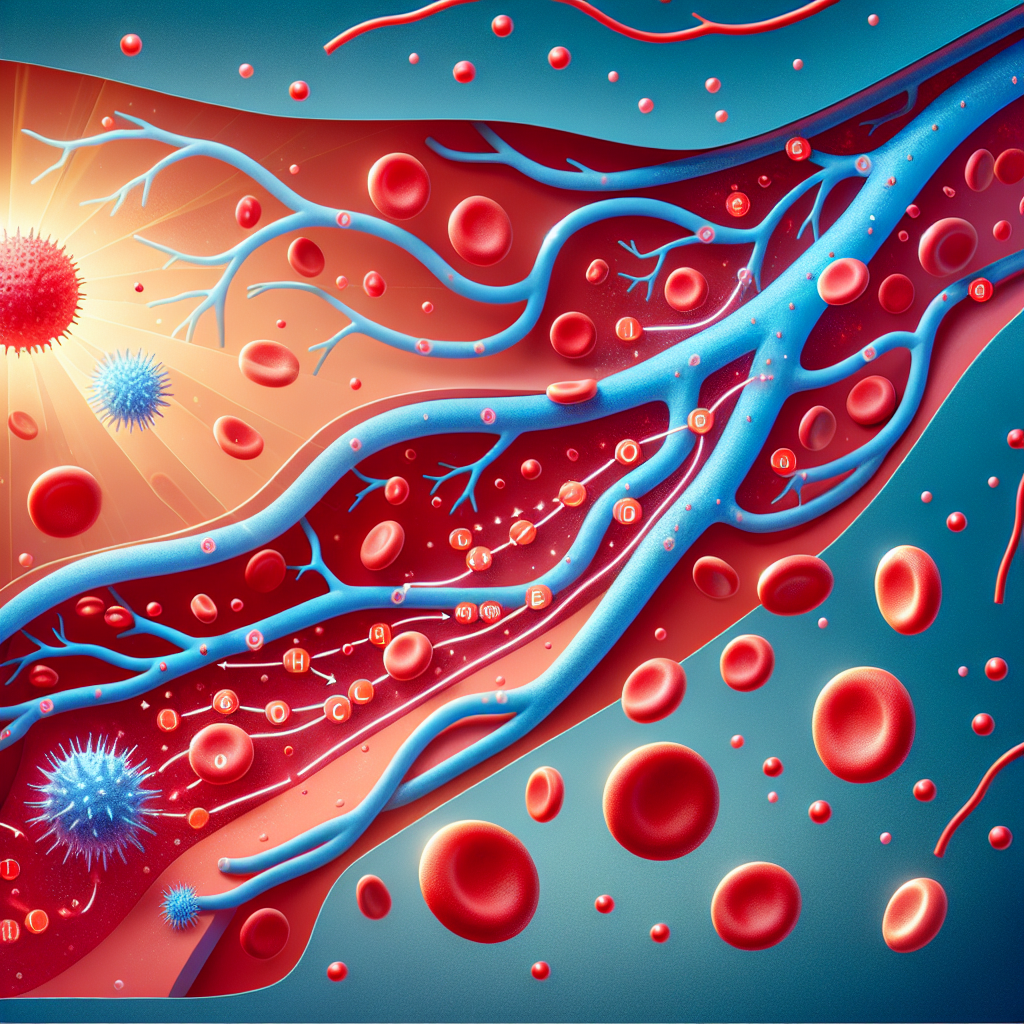
Most of the oxygen transported by the blood is bound to hemoglobin in red blood cells.
Explanation:
Oxygen transport in the blood is essential for cellular respiration, which provides energy for the body’s functions. About 98.5% of oxygen in the blood is carried by hemoglobin, a protein found in red blood cells, while only 1.5% is dissolved in plasma.
Hemoglobin consists of four iron-containing heme groups, each capable of binding one oxygen molecule. When oxygen binds to hemoglobin in the lungs, it forms oxyhemoglobin (HbO₂), allowing efficient transport. As blood circulates, hemoglobin releases oxygen in tissues where oxygen levels are low, ensuring that cells receive the oxygen they need for metabolism.
Several factors influence oxygen binding and release, including:
- Partial Pressure of Oxygen (pO₂): In high-oxygen environments (lungs), hemoglobin binds oxygen. In low-oxygen environments (tissues), it releases oxygen.
- pH Levels (Bohr Effect): A lower pH (more acidic conditions) reduces hemoglobin’s oxygen affinity, helping oxygen delivery in metabolically active tissues.
- Temperature: Higher temperatures reduce hemoglobin’s oxygen affinity, facilitating oxygen release in active muscles.
- Carbon Dioxide (CO₂) Levels: More CO₂ lowers hemoglobin’s affinity for oxygen, promoting oxygen unloading where needed.
Understanding this mechanism is crucial in medical fields like respiratory therapy and emergency medicine. Conditions like anemia, carbon monoxide poisoning, and respiratory diseases can affect oxygen transport, emphasizing the importance of hemoglobin in sustaining life.