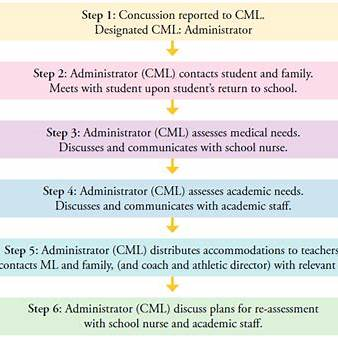
Which of the following describe the leader’s role in concussion identification and management? Select all that apply,
A) Identifying Service Members who have been exposed to PCE
B) Referring Service Members for medical evaluation
C) Putting together a comprehensive treatment plan
D) Reporting potentially concussive events
E) Consulting with medical professionals
F) Determining when a Service Member is ready to return to duty
The correct answer and explanation is :
The correct answers are:
A) Identifying Service Members who have been exposed to PCE
B) Referring Service Members for medical evaluation
D) Reporting potentially concussive events
E) Consulting with medical professionals
Explanation:
Leaders play a critical role in recognizing and managing concussions among Service Members. Their responsibilities focus on identifying potentially concussive events (PCEs), ensuring proper medical evaluation, and maintaining communication with medical personnel.
Identifying Service Members who have been exposed to PCE (A):
Leaders must be vigilant in recognizing situations where Service Members may have been exposed to events that could cause concussions, such as explosions, head trauma, or falls. Early identification is crucial for effective management and recovery.
Referring Service Members for medical evaluation (B):
Leaders are responsible for ensuring that any Service Member suspected of having a concussion undergoes proper medical evaluation. Since concussions can have subtle symptoms, medical professionals must assess and diagnose the condition.
Reporting potentially concussive events (D):
It is essential that leaders report any events that could have caused concussions. Proper documentation ensures that Service Members receive necessary medical attention and that their conditions are monitored over time.
Consulting with medical professionals (E):
Leaders must work closely with medical personnel to understand the condition of the Service Member and ensure they receive appropriate care. While leaders do not make medical decisions, they help facilitate communication between Service Members and healthcare providers.
Incorrect Choices:
- C) Putting together a comprehensive treatment plan: This is the responsibility of medical professionals, not leaders.
- F) Determining when a Service Member is ready to return to duty: Only medical personnel can make this decision based on clinical assessments.