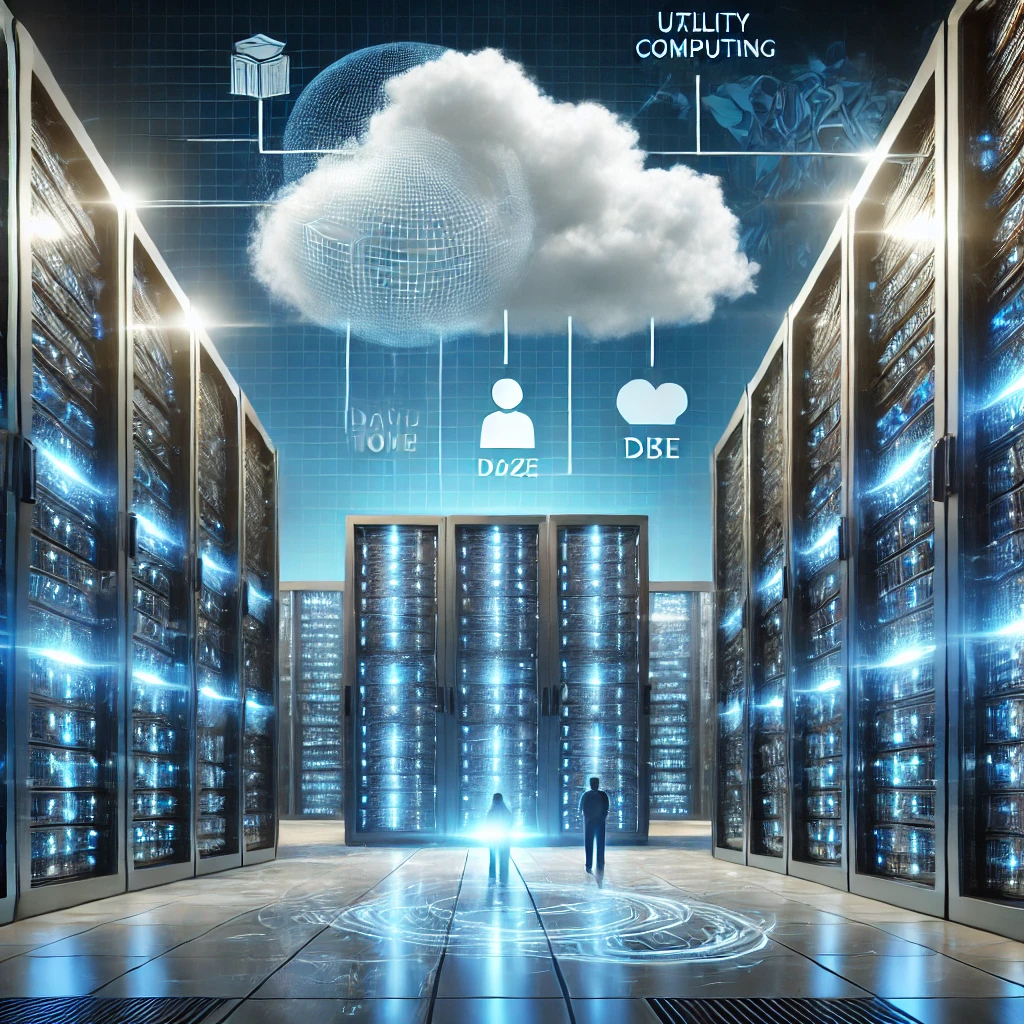
Nick Carr, author of The End of Corporate Computing, believes that the future of will evolve into a “utility computing” model. Which of the following statements best “utility computing” model?
a. Individuals will be able to program any computer with ease
b. Computing technologies will be provided to everyone in the world
c. Firms will build and maintain massive data centers that are owned as a corporate
d. Firms will purchase computing services from third-parties who build and maintain
The correct answer and explanation is :
The correct answer is:
d. Firms will purchase computing services from third-parties who build and maintain them.
Explanation:
In The End of Corporate Computing, Nicholas Carr argues that computing will follow the same evolution as utilities like electricity, water, and telecommunication. Instead of businesses maintaining their own complex IT infrastructure, they will outsource computing needs to specialized providers who own and operate massive data centers. This concept is referred to as “utility computing” or “cloud computing”, where businesses access computing power on demand rather than investing in costly in-house IT infrastructure.
Key Points:
- Utility Model – Just as companies do not generate their own electricity but buy it from utility companies, computing will become a pay-as-you-go service provided by specialized firms such as Amazon Web Services (AWS), Microsoft Azure, and Google Cloud.
- Cost Efficiency – Firms will no longer need to invest in expensive servers, software, and IT staff. Instead, they will pay only for what they use, reducing costs and improving efficiency.
- Scalability and Flexibility – Utility computing allows businesses to scale resources up or down based on demand, ensuring optimal performance and cost control.
- Security and Maintenance – Cloud service providers handle maintenance, security, and updates, reducing the burden on individual companies.
- Industry Adoption – Many industries have already transitioned to this model, making on-premise infrastructure less common.
In summary, utility computing is transforming IT into a service-based model where companies rely on third-party providers for computing resources, much like they rely on utility companies for electricity. This shift enhances efficiency, reduces costs, and allows firms to focus on their core business rather than IT management.
Image: