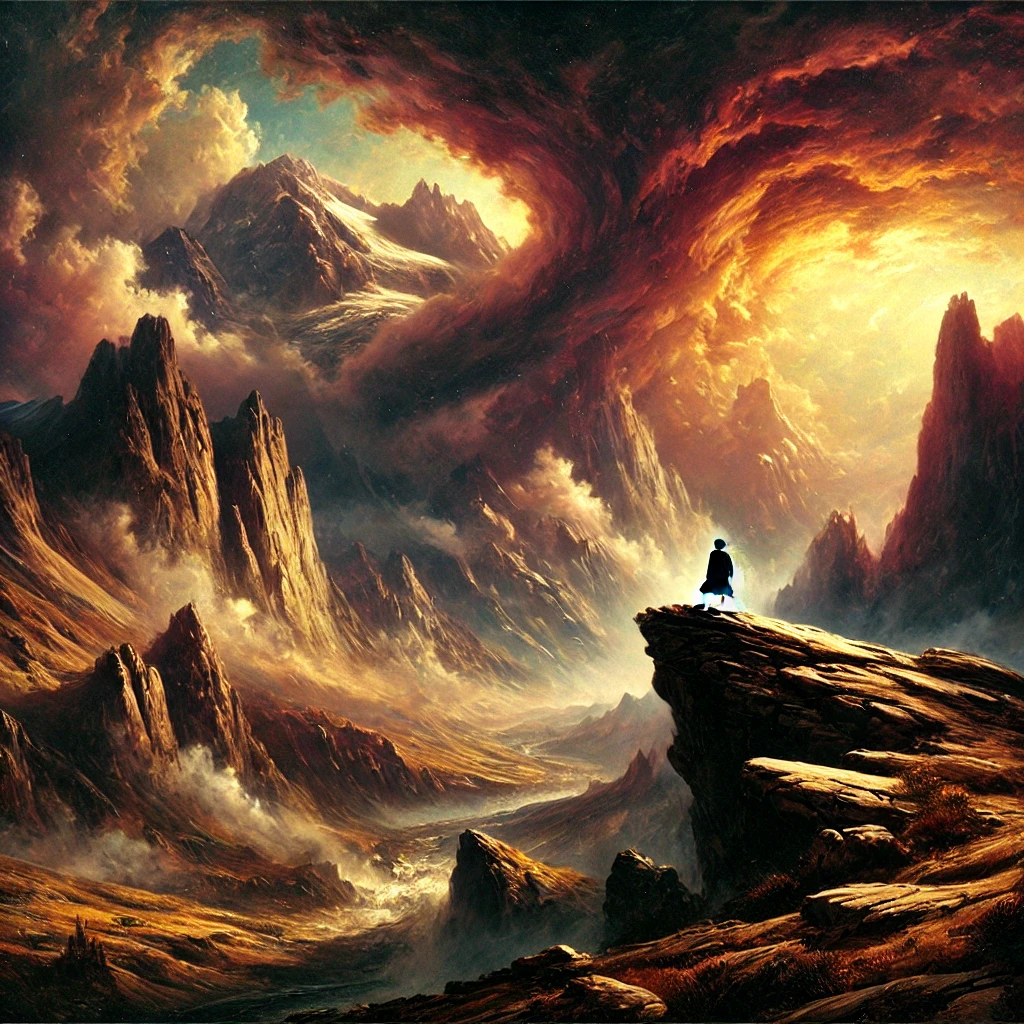
Which of the following is NOT characteristic of Romanticism in art?
A. vast landscapes of untouched nature
B. a simplified composition that clearly depicts individual forms
C. “exotic” subject matter not commonly seen in Western Europe
D. emotionally distraught figures
The correct answer and explanation is :
The correct answer is:
B. a simplified composition that clearly depicts individual forms
Explanation:
Romanticism in art, which flourished in the late 18th and 19th centuries, was characterized by emotion, dramatic compositions, and a fascination with nature, the exotic, and the sublime. Unlike the Neoclassical movement that preceded it, which emphasized clarity, order, and idealized forms, Romantic art was more expressive, often featuring dynamic movement, rich color palettes, and complex compositions that evoked strong emotions.
- Vast landscapes of untouched nature (A): Romantic painters like Caspar David Friedrich and J.M.W. Turner often depicted dramatic, expansive natural scenes that emphasized nature’s power and mystery. These landscapes were often infused with a sense of awe and the insignificance of man compared to the grandeur of the natural world.
- “Exotic” subject matter (C): Many Romantic artists were fascinated by cultures outside of Western Europe, often depicting imagined or idealized scenes from the Middle East, North Africa, and Asia. Artists like Eugène Delacroix painted scenes inspired by his travels to Morocco, reflecting a fascination with the “exotic” that was common in Romanticism.
- Emotionally distraught figures (D): Romantic art frequently featured figures in states of deep emotional turmoil. Whether in the dramatic suffering of Théodore Géricault’s The Raft of the Medusa or the passionate expressions in Francisco Goya’s works, emotions played a crucial role in conveying the intensity of the scene.
However, simplified compositions that clearly depict individual forms (B) are more characteristic of Neoclassicism, which valued balance, harmony, and precise depiction of figures rather than the dramatic, often chaotic compositions seen in Romantic art.