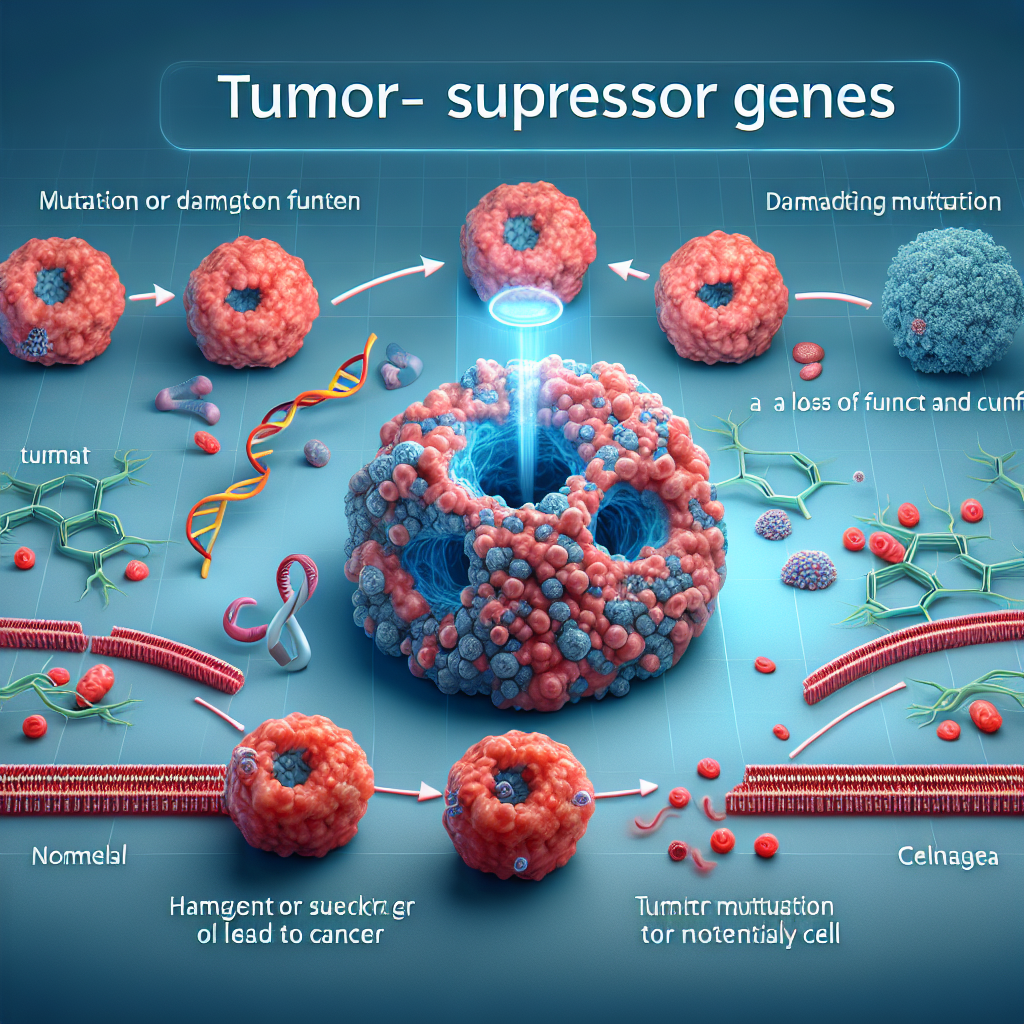
To cause cancer, tumor suppressor genes require allele(s) to be mutated and therefore are considered The mutation results in a of function.
The correct answer and explanation is :
To cause cancer, tumor suppressor genes require both alleles to be mutated and therefore are considered recessive. The mutation results in a loss of function.
Explanation (300 words):
Tumor suppressor genes are critical components of the cell’s defense system against cancer. They normally act as brakes on cell division, promote DNA repair, and initiate apoptosis (programmed cell death) when genetic damage is irreparable. Some of the most well-known tumor suppressor genes include TP53, RB1, and BRCA1/2.
For a tumor suppressor gene to contribute to cancer development, both alleles (copies) of the gene must be inactivated or mutated. This requirement follows Knudson’s “two-hit” hypothesis, which states that two “hits” (mutations) are necessary to fully disable a tumor suppressor gene. The first hit may be inherited (germline mutation), and the second hit often occurs somatically (in the cells of the body during life).
Because both alleles must be affected, tumor suppressor gene mutations are classified as recessive at the cellular level. A single functional copy of the gene is often enough to maintain normal function. However, when both copies are lost or rendered non-functional, cells can begin dividing uncontrollably, evade death, and accumulate additional mutations, all of which promote cancer progression.
The mutations in tumor suppressor genes lead to a loss of function. This means the gene product (usually a protein) no longer performs its normal role in regulating cell growth or maintaining genomic stability. This is in contrast to oncogenes, which promote cancer when a single allele undergoes a gain of function mutation that causes excessive or unregulated activity.
In summary, tumor suppressor genes are recessive, and cancer typically arises when both alleles are inactivated, leading to a loss of function. Understanding this distinction is key in cancer genetics, diagnosis, and treatment development.