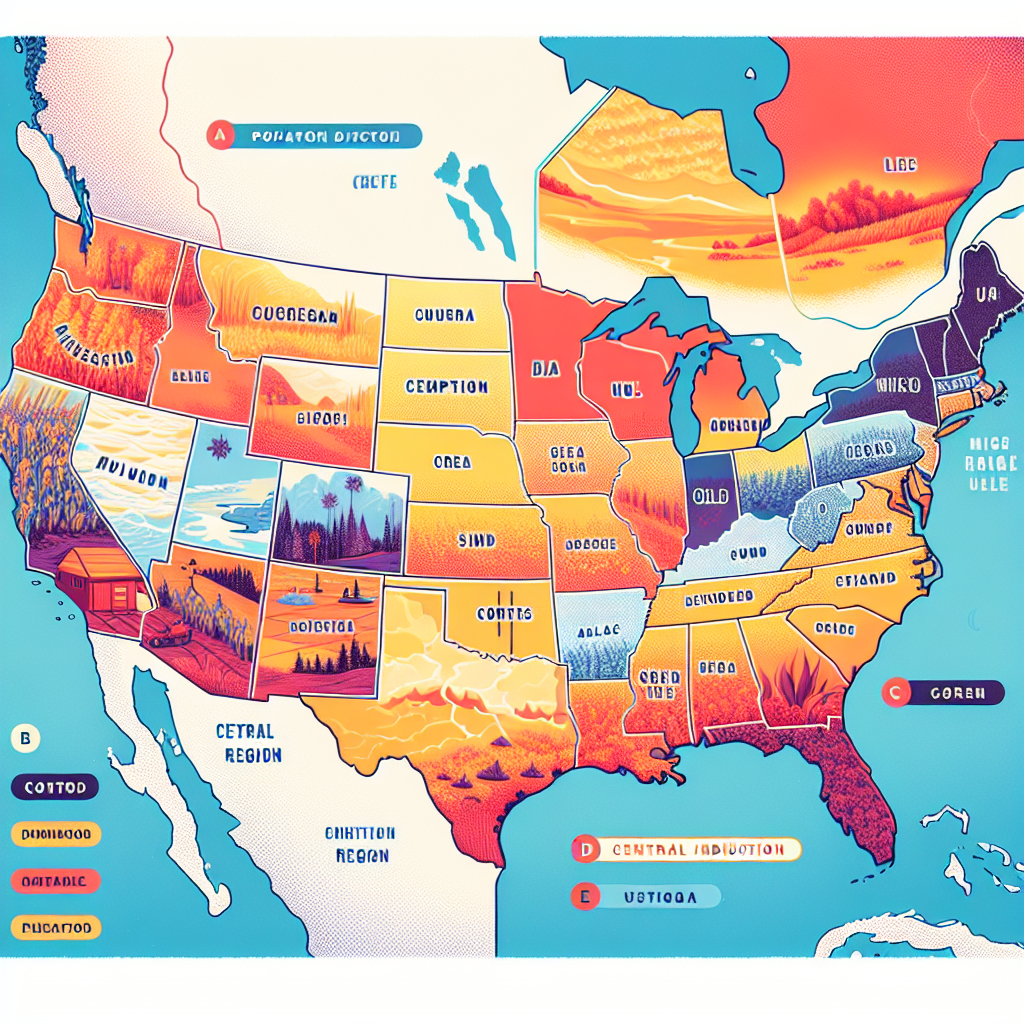
Over the past two decades, the U.S. population has shifted toward the __ states.
A) Northern
B) Northeast
C) Sunbelt
D) Midwest
E) Corn belt
The correct answer and explanation is :
Correct Answer: C) Sunbelt
Over the past two decades, the U.S. population has shifted toward the Sunbelt states. The Sunbelt refers to a region of the United States that stretches across the Southeast and Southwest, including states such as Florida, Texas, Arizona, Nevada, Georgia, and the Carolinas. This migration trend is driven by a combination of economic, climatic, and demographic factors that have made Sunbelt states increasingly attractive to both individuals and businesses.
One of the primary reasons for the population shift is the warmer climate. Many Americans, especially retirees, prefer the milder winters of the Sunbelt compared to the harsh, cold weather in the Northeast or Midwest. The appeal of sunshine and year-round outdoor activities has made states like Florida and Arizona popular destinations.
Economic opportunities have also fueled the migration. The Sunbelt has experienced strong economic growth, particularly in industries like technology, manufacturing, construction, and energy. Cities like Austin, Dallas, Phoenix, and Atlanta have become major economic hubs offering abundant jobs and relatively lower costs of living compared to places like New York City or San Francisco.
Another factor is affordability and housing. Many Sunbelt areas offer more affordable housing options, which has attracted younger families and individuals looking for better quality of life. In contrast, the high cost of living and housing in many Northern and coastal cities has pushed people to relocate.
Furthermore, business-friendly policies in several Sunbelt states—such as lower taxes and fewer regulations—have attracted companies, resulting in job creation and economic expansion that, in turn, attract more residents.
This demographic shift has had significant political, social, and economic implications for the U.S., altering the balance of power in Congress, changing electoral dynamics, and reshaping the national economy. As a result, the Sunbelt continues to gain influence and prominence on the national stage.