To be ethical, businesses must
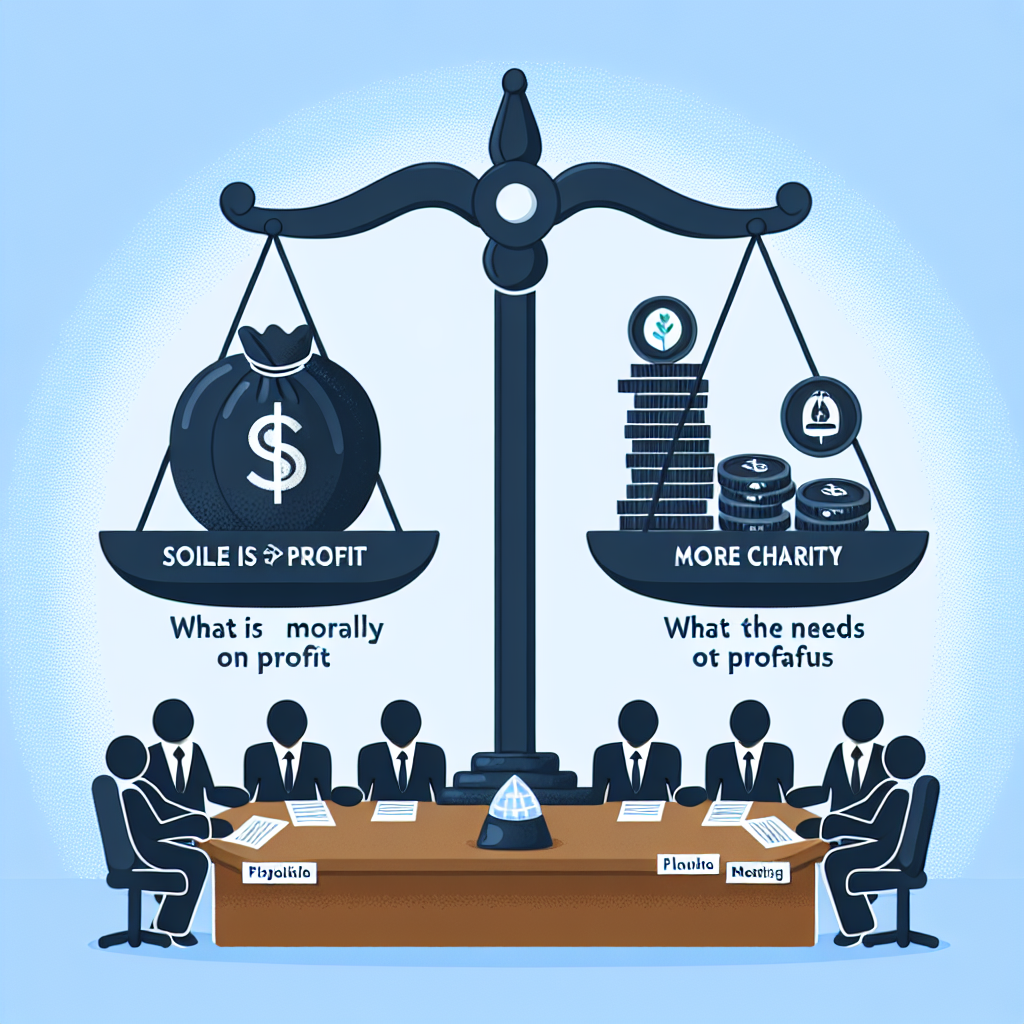
Balance between doing what is right and what is profitable
Must focus solely on profits
Donate to those in need
Must meet the needs of all of its stakeholders
The correct answer and explanation is :
The correct answer is:
Must meet the needs of all of its stakeholders.
Explanation:
Ethical business practices go beyond merely pursuing profits; they involve acting responsibly and considering the well-being of all stakeholders involved in a business. Stakeholders in a company include not only shareholders (investors) but also employees, customers, suppliers, communities, and even the environment. An ethical business aims to make decisions that positively impact these groups, rather than focusing solely on profit maximization.
Here’s why this approach is essential:
- Stakeholder Theory:
Ethical businesses follow the “Stakeholder Theory,” which asserts that companies have a responsibility to all individuals and groups affected by their actions, not just their shareholders. By addressing the needs and concerns of employees (fair wages, safe working conditions), customers (product quality and safety), and the environment (sustainable practices), companies foster trust and long-term value. - Long-Term Profitability:
While focusing on profits alone can lead to short-term gains, it may also lead to exploitation or harm that could damage the company’s reputation, create legal liabilities, or harm long-term profitability. Ethical businesses prioritize relationships with stakeholders, which, in turn, creates loyal customers, satisfied employees, and stable suppliers. These long-term relationships can help businesses maintain sustainable growth. - Corporate Social Responsibility (CSR):
A growing expectation from society is that businesses should be socially responsible. CSR involves not just donating to causes or minimizing harm but also making strategic decisions that contribute positively to society, such as creating fair job opportunities, reducing environmental impact, and improving community welfare. A business that meets the needs of all stakeholders is more likely to maintain a positive reputation and contribute to societal well-being. - Balancing Profits and Ethics:
While businesses do need to be profitable to remain in operation, ethical decisions should be based on balancing profit motives with the moral obligation to treat all stakeholders fairly. Ignoring ethical considerations for the sake of profit can lead to scandals, legal issues, and a loss of consumer trust, which could be far more costly in the long run.
In conclusion, meeting the needs of all stakeholders ensures businesses operate ethically and responsibly while achieving sustainable success.