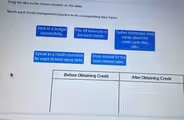
The Correct Answer and Explanation is:
Of course. Here is the correct categorization for the credit management practices, along with a detailed explanation.
Correct Answer
Before Obtaining Credit:
- Gather information from banks about the credit cards they offer.
- Shop around for the best interest rates.
After Obtaining Credit:
- Stick to a budget successfully.
- Pay off balances in full each month.
- Speak to a credit counselor for ways to best repay debt.
Explanation
The exercise distinguishes between financial practices you should undertake during the research phase, before you are approved for a loan or credit card, and those you must use to responsibly manage credit once you have it.
Before Obtaining Credit
The actions in this category are all related to preparation and making an informed choice.
- Gather information from banks about the credit cards they offer: This is a crucial research step. Before you apply for any credit product, you need to understand its features, such as annual fees, rewards programs, and other benefits. This happens before you have a formal agreement.
- Shop around for the best interest rates: The interest rate, or Annual Percentage Rate (APR), is one of the most significant costs associated with credit. Comparing rates from different lenders or card issuers before you commit helps ensure you secure the most affordable terms possible. This proactive comparison is a key part of the pre-application process.
After Obtaining Credit
These practices relate to the responsible use and ongoing management of a credit line or loan you already possess.
- Stick to a budget successfully: While having a budget is always wise, sticking to it becomes critical after you obtain credit. A budget helps you control your spending, ensures you do not charge more than you can afford, and confirms you have enough money set aside to make your payments on time.
- Pay off balances in full each month: This action is impossible to perform before you have credit. It is a core strategy for managing credit cards after you have used them to make purchases. Paying the full balance prevents interest charges from accumulating, which is the most effective way to use credit without falling into debt.
- Speak to a credit counselor for ways to best repay debt: This is a reactive measure taken when debt has already been accumulated. You can only have debt after you have obtained and used credit. Seeking professional guidance from a counselor is a responsible step for managing existing financial obligations and creating a plan for repayment.