The Correct Answer and Explanation is:
Of course. Here is the correct answer and a detailed explanation.
Correct Answer
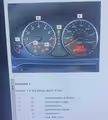
Based on the labels in the image, here is the correct identification for each part of the instrument cluster:
- A: Fuel Gauge
- B: Tachometer
- C: Gear Selector Indicator
- D: Speedometer
- E: Engine Coolant Temperature Gauge
- F: Check Engine Light (Malfunction Indicator Lamp)
- G: Odometer / Trip Meter
Explanation
The image displays a vehicle’s instrument cluster, which is a critical control panel that provides the driver with real-time information about the car’s operational status. Understanding these instruments is essential for safe and efficient driving.
A, the Fuel Gauge, indicates the amount of fuel remaining in the tank. The needle pointing towards “F” means the tank is full, while “E” signifies it is empty. The small gas pump icon is a universal symbol for this gauge.
B, the Tachometer, measures the engine’s speed in revolutions per minute, or RPM. The reading is typically multiplied by 1000. For example, if the needle points to “3,” the engine is running at 3000 RPM. This gauge helps drivers, especially those with manual transmissions, shift gears at the optimal time to improve fuel efficiency and prevent engine strain.
C is the Gear Selector Indicator. This display shows which gear the automatic transmission is currently in. The highlighted “P” indicates the vehicle is in Park. Other common selections include R (Reverse), N (Neutral), and D (Drive).
D, the Speedometer, is perhaps the most familiar instrument. It shows the vehicle’s current speed in miles per hour (MPH) and often includes a smaller scale for kilometers per hour (km/h).
E is the Engine Coolant Temperature Gauge. This gauge monitors the temperature of the engine’s coolant. The “C” stands for cold and “H” for hot. It is crucial to ensure the needle stays within the normal operating range to prevent the engine from overheating, which can cause severe damage.
F points to the Check Engine Light, also known as the Malfunction Indicator Lamp (MIL). When this light illuminates and stays on, it signals that the vehicle’s onboard diagnostics system has detected a problem with the engine, transmission, or emissions system. It requires a professional diagnosis to identify and fix the issue.
G is the digital Odometer and Trip Meter. The odometer records the total distance the vehicle has traveled over its lifetime. The trip meter measures the distance of a specific journey and can be reset by the driver.