Meiosis — Meiosis Prophase Metaphase Anaghasel Telephas Cytokinesis l
Cell Division Mitosis and Meiosis h e The will become down the second locall to c er the fields of its and more care False The w e haise Me the second met division the c denne pak me l d be they have only Mer the full in the co bogus par
The Correct Answer and Explanation is :
Meiosis is a fundamental process in sexual reproduction that reduces the chromosome number by half, resulting in four genetically diverse haploid gametes. This reduction is achieved through two sequential divisions: meiosis I and meiosis II, each comprising distinct phases.
Meiosis I:
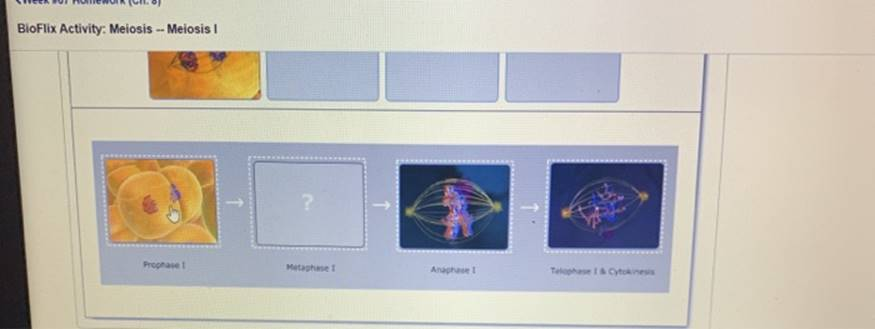
- Prophase I: Chromosomes condense and become visible. Homologous chromosomes pair up through synapsis, forming tetrads. During this phase, crossing over occurs, where homologous chromosomes exchange genetic material, increasing genetic diversity.
- Metaphase I: Tetrads align along the metaphase plate. The orientation of each pair is random, contributing to genetic variation through independent assortment.
- Anaphase I: Homologous chromosomes are pulled apart to opposite poles of the cell. Unlike mitosis, sister chromatids remain attached at this stage.
- Telophase I: The cell divides into two haploid cells, each containing half the original chromosome number.
Meiosis II:
Meiosis II resembles a mitotic division but involves haploid cells.
- Prophase II: Chromosomes condense, and a new spindle apparatus forms in each haploid cell.
- Metaphase II: Chromosomes align along the metaphase plate in each haploid cell.
- Anaphase II: Sister chromatids are finally separated and move toward opposite poles.
- Telophase II: The cells divide, resulting in four genetically unique haploid gametes.
This intricate process ensures genetic diversity and the maintenance of species-specific chromosome numbers across generations.
For a visual explanation of the phases of meiosis, you might find the following video helpful: