How do differing perspectives affect our views of compensation?
The correct answer and explanation is :
How Differing Perspectives Affect Our Views of Compensation
Differing perspectives shape how individuals and organizations perceive compensation, influencing fairness, motivation, and job satisfaction. These perspectives stem from factors such as economic theory, organizational culture, employee expectations, and societal norms.
From an economic perspective, compensation is viewed as a market-driven concept. Employers set wages based on supply and demand, productivity, and profitability. Employees, on the other hand, seek competitive salaries that align with their skills and contributions. A capitalist viewpoint supports performance-based pay, while a socialist perspective emphasizes wage equality.
From an organizational standpoint, companies structure compensation to align with business goals, industry standards, and internal equity. Some firms emphasize merit-based pay to reward high performers, while others adopt a seniority-based system. Organizations with a strong emphasis on equity and inclusion focus on reducing pay gaps based on gender, race, or other factors.
From an employee perspective, compensation is tied to financial security, motivation, and recognition. Some employees prioritize base salary, while others value benefits, bonuses, or work-life balance. Psychological theories like Maslow’s hierarchy of needs suggest that compensation fulfills basic needs and contributes to higher-level motivations such as esteem and self-actualization.
From a societal perspective, culture and government policies influence views on fair wages. Some societies advocate for high minimum wages and labor protections, while others rely on market forces to regulate pay. Ethical concerns, such as executive compensation and income inequality, further shape public discourse on fair compensation.
Ultimately, differing perspectives impact expectations and satisfaction regarding compensation. Employers must balance financial sustainability with competitive pay structures, while employees assess compensation based on their personal values and economic needs. Understanding these perspectives helps create fair and effective compensation strategies.
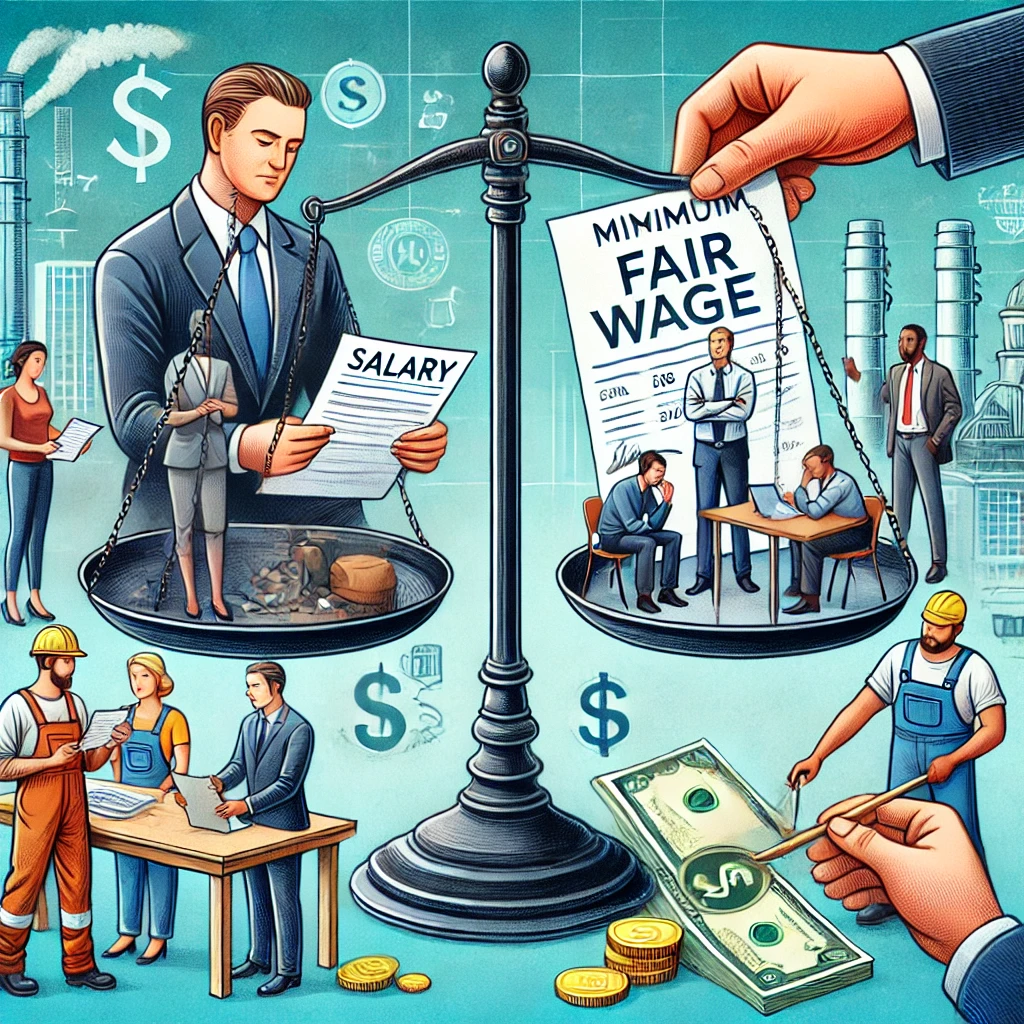
Here is an image representing different perspectives on compensation, including corporate executives, employees, government officials, and fairness in wages.