A. Students are generally dismissed from early-exit bilingual programs by:
a) the end of kindergarten
b) the end of 3rd grade
c) the end of 2nd grade
B. A gyrus is:
A. A ridge in the cortex
B. A small space between the ridges of the cortex
C. One hemisphere of the cortex
D. A large space between the ridges of the cortex
Sol21:
A. Students are generally dismissed from early-exit bilingual programs by: b) the end of 3rd grade
Early-exit bilingual programs are designed for students who are not fluent in the language of instruction, with the goal of helping them develop proficiency in both their native language and the language of instruction. In early-exit programs, students typically receive instruction in their native language and in the language of instruction for a period of time, after which they are transitioned to full-time instruction in the language of instruction. The transition period typically lasts until the end of 3rd grade.
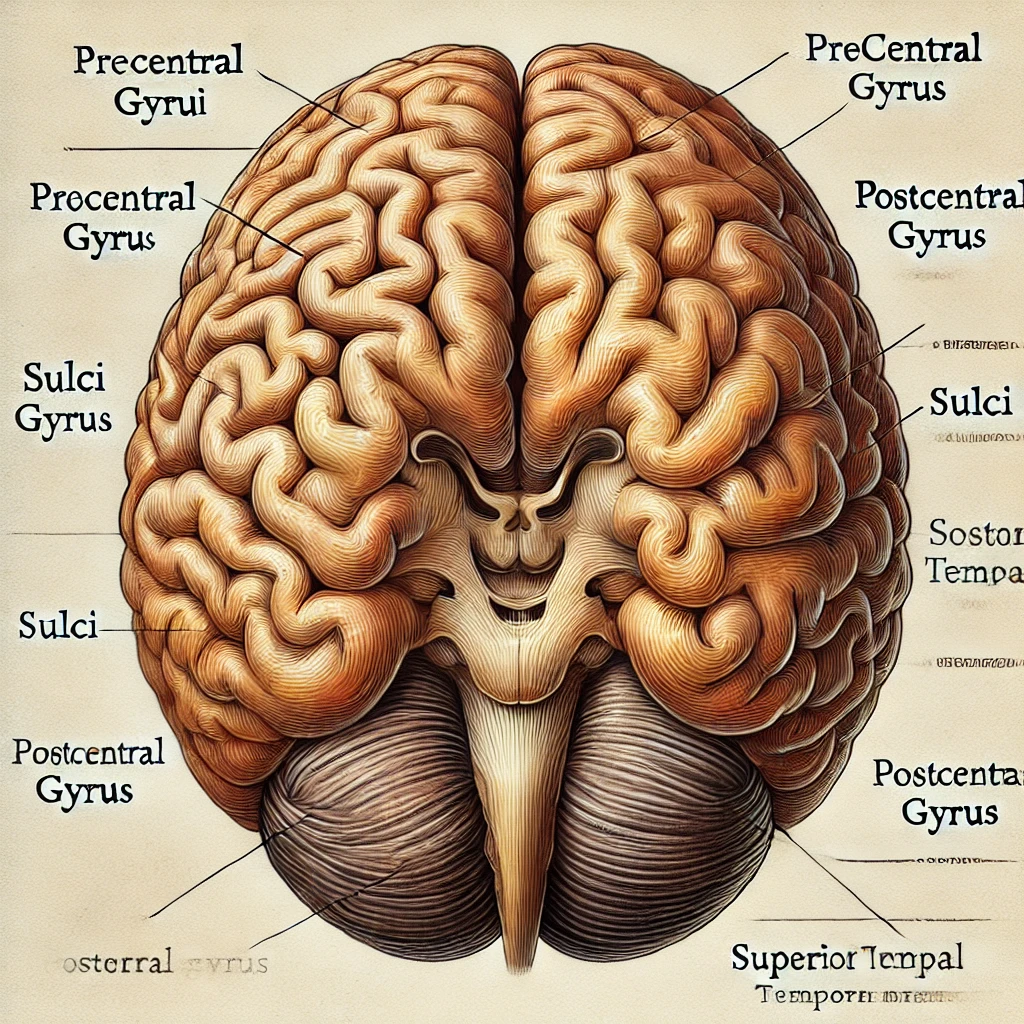
B. A gyrus is: A. A ridge in the cortex
A gyrus is a ridge on the surface of the brain, specifically in the cerebral cortex. The cerebral cortex is the outermost layer of the brain and is responsible for many important functions such as consciousness, perception, and thought. The gyrus is a key structural feature of the cerebral cortex and is formed by the folding of the cortex. The folding of the cortex increases its surface area, allowing for more neurons and connections to be packed into a smaller space.
The correct answer and explanation is:
Correct Answers:
A. Students are generally dismissed from early-exit bilingual programs by:
b) The end of 3rd grade
B. A gyrus is:
A. A ridge in the cortex
Explanation
Early-Exit Bilingual Programs
Early-exit bilingual programs are designed to help students who speak a native language other than the primary language of instruction transition into mainstream classrooms. These programs provide instruction in both the student’s native language and the second language (often English) to support language acquisition while maintaining academic progress.
Typically, students are dismissed from these programs by the end of 3rd grade. By this time, they are expected to have developed sufficient proficiency in the second language (English, in many cases) to participate fully in mainstream classes. Research suggests that maintaining native language instruction in the early years can facilitate better academic achievement and smoother transitions into English-only instruction. However, transitioning too early can lead to challenges in content comprehension if students are not fully proficient in the second language.
Early-exit programs differ from late-exit or dual-language programs, which support bilingual education for a longer period, sometimes into middle school. These programs are essential in helping English Language Learners (ELLs) build foundational language skills while minimizing language-learning barriers in core academic subjects.
Gyrus in the Brain
A gyrus (plural: gyri) is a ridge in the cerebral cortex of the brain. The brain’s surface is not smooth; instead, it is covered in folds, with raised areas called gyri and grooves known as sulci. This folding increases the brain’s surface area, allowing more neurons to fit within the limited space of the skull, which enhances cognitive processing.
The cerebral cortex is responsible for many critical functions, including thought, perception, memory, and voluntary movement. Different gyri are associated with specific brain functions. For example:
- The precentral gyrus in the frontal lobe is involved in motor control.
- The postcentral gyrus in the parietal lobe is responsible for processing sensory information.
- The superior temporal gyrus is associated with auditory processing.
Understanding the structure of the brain, including gyri, is essential in neuroscience and medicine, especially for studying brain disorders such as Alzheimer’s disease, epilepsy, and strokes.
Now, I’ll generate an image representing a gyrus in the cerebral cortex.
Here is an anatomically accurate illustration of the human brain, highlighting the gyri and sulci of the cerebral cortex. Let me know if you need any modifications or additional explanations!