Which type of glial cell is a macrophage ( phagocyte )?
a. Microglia.
b. AstrocYte.
c. Oligodendrocyte.
d. Schwann cell.
The correct answer and explanation is :
Correct Answer:
a. Microglia
Explanation:
Microglia are a specialized type of glial cell in the central nervous system (CNS) that function as the resident macrophages of the brain and spinal cord. They are the primary immune defense cells within the CNS, playing a crucial role in maintaining homeostasis and protecting neural tissue from infections, injury, and neurodegenerative diseases.
Role as Phagocytes
Microglia act as the first line of defense in the CNS by detecting and responding to pathogens, damaged neurons, and cellular debris. When activated, they change their shape, migrate to the site of injury, and engulf harmful substances through a process called phagocytosis. This process helps clear dead cells and maintain a healthy neural environment.
Development and Origin
Unlike other glial cells, which originate from neural ectoderm, microglia arise from mesodermal progenitors in the yolk sac during early embryonic development. They migrate into the CNS before the blood-brain barrier is fully formed, allowing them to become the primary immune cells of the brain.
Functions of Microglia
- Immune Surveillance: Constantly monitor the CNS for potential threats.
- Phagocytosis: Remove dead neurons, pathogens, and toxic proteins.
- Neuroprotection: Release growth factors to support neuron survival.
- Synaptic Pruning: Help refine neural connections during brain development.
- Inflammatory Response: Can release cytokines, which may contribute to neuroinflammation in diseases like Alzheimer’s and Parkinson’s.
Microglia in Disease
Overactivation of microglia has been linked to neurodegenerative diseases. Chronic inflammation caused by excessive microglial activation can contribute to neuronal damage, making them a target for therapeutic interventions.
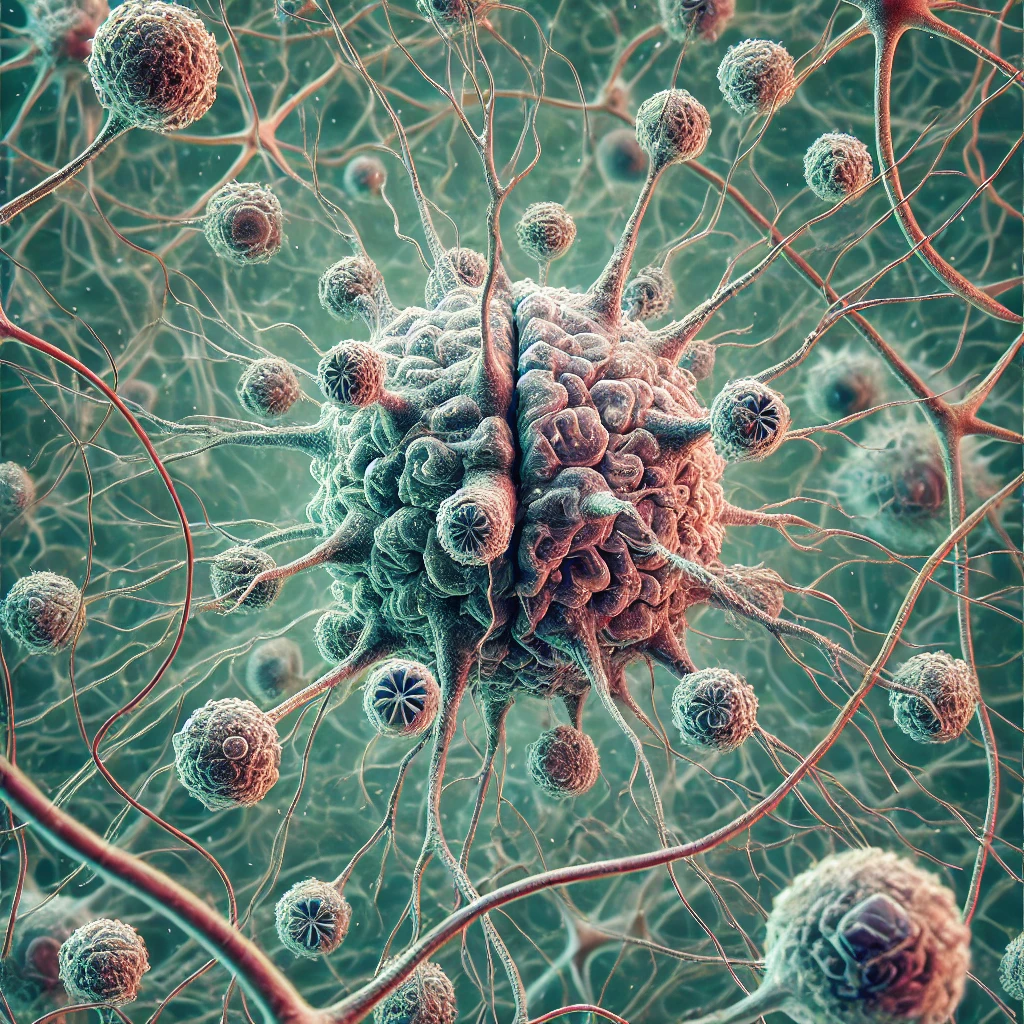
Here is an illustration of microglia in action, showing them engulfing damaged neurons and cellular debris.