Which of the following is a dimension of design quality?
a) quality at the source
b) price
c) aesthetics
d) leadership
e) distribution
The correct answer and explanation is :
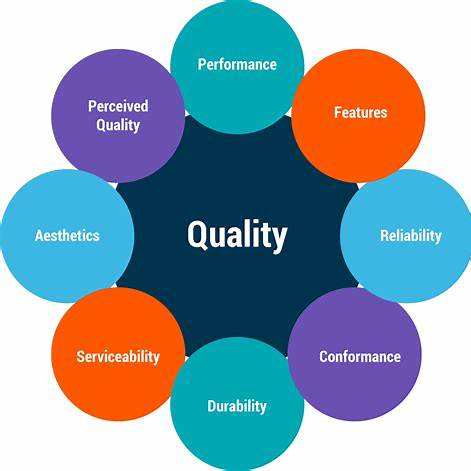
Among the options provided—a) quality at the source, b) price, c) aesthetics, d) leadership, and e) distribution—the correct answer is c) aesthetics.
Aesthetics refers to the visual and sensory appeal of a product, encompassing aspects such as design, color, texture, and overall appearance. It is one of the eight dimensions of quality identified by Harvard Business School professor David A. Garvin in 1987. These dimensions serve as a strategic framework for analyzing product or service quality characteristics. The eight dimensions are:
- Performance: The primary operating characteristics of a product.
- Features: Additional attributes that enhance the product’s appeal.
- Reliability: Consistency of performance over time.
- Conformance: Adherence to established standards and specifications.
- Durability: The product’s lifespan and ability to withstand wear and tear.
- Serviceability: Ease of maintenance and repair.
- Aesthetics: The visual and sensory appeal of the product.
- Perceived Quality: The customer’s perception of the product’s quality based on indirect measures.
Aesthetics plays a crucial role in consumer decision-making, as products that are visually appealing can attract customers, evoke positive emotions, and enhance brand image. For instance, the sleek design of a smartphone or the elegant packaging of a luxury item can significantly influence a buyer’s choice. However, it’s important to note that aesthetic preferences can vary among individuals and cultures, making it challenging to create a universally appealing design.
The other options listed are not considered dimensions of design quality:
- Quality at the source: This concept emphasizes ensuring quality during the production process to prevent defects, rather than being a dimension of the product’s design quality.
- Price: While cost is a critical factor in purchasing decisions, it pertains to the economic aspect of a product and is not a dimension of its design quality.
- Leadership: This relates to management and organizational behavior, focusing on guiding and influencing others, and is not associated with design quality.
- Distribution: This involves the process of delivering products to consumers and does not pertain to the inherent quality dimensions of the product itself.
Understanding these dimensions allows organizations to strategically focus on areas that enhance customer satisfaction and differentiate their products in the market.