Limestone becomes, pressure increase. when temperature and
a. Marble
b. Granite
C. Sandstone
d. Feldspar
The correct answer and explanation is :
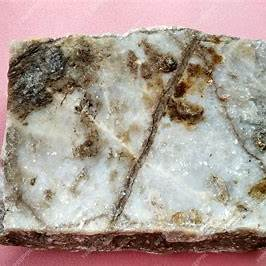
When limestone is subjected to increased temperature and pressure, it undergoes metamorphism and transforms into marble. Therefore, the correct answer is:
a. Marble
Limestone is primarily composed of the mineral calcite (CaCO₃). Under the conditions of regional metamorphism—typically occurring at convergent plate boundaries where tectonic forces generate substantial heat and pressure—the calcite within limestone recrystallizes. This recrystallization process obliterates the original sedimentary structures and fossil content of the limestone, resulting in an interlocking mosaic of calcite crystals characteristic of marble.
The purity of the original limestone significantly influences the appearance of the resulting marble. Pure white marble forms from limestone with minimal impurities. Conversely, the presence of minerals such as clay, silt, sand, iron oxides, or chert in the limestone can lead to the development of colored marble varieties with distinctive swirls and veins.
It’s important to note that the other options listed—granite, sandstone, and feldspar—are distinct geological materials with different compositions and formation processes:
- Granite: An igneous rock formed from the slow crystallization of magma beneath the Earth’s surface, composed mainly of quartz, feldspar, and mica.
- Sandstone: A sedimentary rock consisting of sand-sized mineral particles or rock fragments, primarily composed of quartz and feldspar.
- Feldspar: A group of rock-forming minerals that make up a significant portion of the Earth’s crust, commonly found in both igneous and metamorphic rocks.
These materials do not originate from limestone nor transform into marble through metamorphic processes.
In summary, the metamorphism of limestone under elevated temperature and pressure conditions leads to the formation of marble, a process that enhances the rock’s crystalline structure and aesthetic appeal, making it a valued material in sculpture and architecture.