Departmentalization is the basis by which jobs are grouped together. You are the CEO of the Company that produces a Burger to cater for Asia and Middle Eastern region. Design your organization based on the Functional Departmentalization OR Geographical Departmentalization and explain the rationalize of your option. (Note: Design one option only)
The correct answer and explanation is :
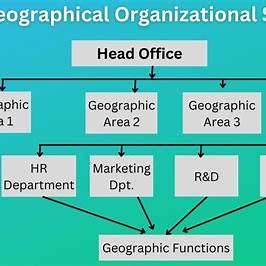
As the CEO of a company producing burgers for the Asian and Middle Eastern markets, implementing Geographical Departmentalization is a strategic approach to effectively manage our diverse operations across these regions.
Organizational Structure Design:
- Regional Divisions:
- Asia Division: Oversees countries such as China, India, Japan, and Southeast Asian nations.
- Middle East Division: Manages operations in countries like Saudi Arabia, UAE, Turkey, and surrounding regions.
- Functional Departments within Each Division:
- Marketing: Develops region-specific promotional strategies and campaigns.
- Sales: Handles distribution channels and sales targets tailored to local markets.
- Supply Chain Management: Ensures sourcing, production, and delivery meet regional demands.
- Customer Service: Provides support and gathers feedback to enhance customer satisfaction.
Rationale for Geographical Departmentalization:
- Enhanced Localized Operations:
Geographical departmentalization allows each region to tailor operations to local preferences and cultural nuances. This customization leads to products and marketing strategies that resonate with local consumers, enhancing customer satisfaction and brand loyalty. - Improved Coordination within Regions:
Having dedicated teams for each region fosters better communication and collaboration. Regional managers can swiftly address market changes, coordinate promotional activities, and ensure that all functions align with local objectives, leading to increased operational efficiency. - Better Focus on Regional Objectives:
Each division can set and pursue goals specific to its market, such as increasing market share in a particular country or introducing products that cater to regional tastes. This focused approach ensures that strategies are relevant and impactful, driving growth in each area. - Leadership Opportunities:
Regional divisions provide leadership roles that are closely connected to the markets they serve. This proximity allows managers to make informed decisions, respond to local challenges effectively, and implement strategies that are well-suited to their specific markets. - Effective Monitoring of Regional Performance:
With dedicated regional departments, performance metrics can be closely monitored, allowing for timely adjustments and resource allocation. This localized oversight ensures that each market’s unique dynamics are considered, leading to better performance management. - Enhanced Customer Communication and Relationship Building:
Being physically present in each region facilitates direct engagement with customers, allowing the company to understand and respond to their needs promptly. This proximity helps build stronger relationships and fosters trust, which is crucial for long-term success. - Flexibility in Market Response:
Regional departments can quickly adapt to changes in local market conditions, such as economic shifts, cultural trends, or competitor actions. This agility enables the company to remain competitive and relevant in diverse markets.
Considerations:
While geographical departmentalization offers significant advantages, it is essential to address potential challenges such as:
- Duplication of Activities: Similar functions across regions may lead to inefficiencies. Implementing standardized processes and shared services can mitigate this issue.
- Integration Challenges: Ensuring consistent company culture and coordination across regions requires effective communication strategies and regular inter-regional meetings.
In conclusion, adopting a geographical departmentalization structure aligns with our company’s goals of effectively serving diverse markets in Asia and the Middle East. It enables tailored strategies, efficient operations, and strong customer relationships, positioning us for sustained success in these regions.