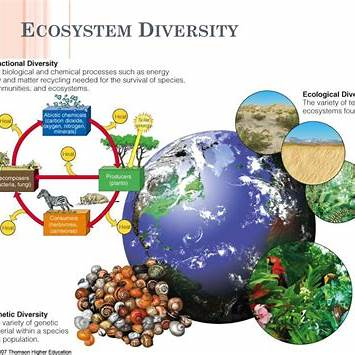
Ecological diversity is a measure of the number of
different versions of the same gene in an ecological community.
sizes, colors, and shapes of organisms within an ecological community.
niches, trophic levels, and ecological processes of a biological community.
different kinds of organisms within a community or ecosystem.
The correct answer and explanation is :
The correct answer is:
D. different kinds of organisms within a community or ecosystem.
Explanation:
Ecological diversity, also known as ecosystem diversity, refers to the variety of different kinds of organisms within a community or ecosystem. It encompasses the number of species, their relative abundance, and the complexity of their interactions within the ecosystem. High ecological diversity contributes to ecosystem resilience, stability, and productivity.
Key Components of Ecological Diversity:
- Species Diversity: This includes the variety of species present in an ecosystem. A diverse array of species ensures that ecosystems can maintain functionality and adapt to environmental changes.
- Genetic Diversity: Within each species, genetic diversity refers to the variations in genetic makeup among individuals. This diversity allows populations to adapt to changing conditions and resist diseases.
- Ecosystem Diversity: This pertains to the variety of habitats, communities, and ecological processes within the biosphere. Different ecosystems, such as forests, wetlands, and grasslands, support distinct communities of organisms and contribute uniquely to the planet’s overall biodiversity.
Importance of Ecological Diversity:
- Ecosystem Stability: Ecosystems with high diversity are more stable and resilient to disturbances like climate change, diseases, and invasive species.
- Ecosystem Services: Diverse ecosystems provide essential services, including nutrient cycling, pollination, water purification, and soil formation.
- Economic and Cultural Value: Biodiversity supports industries such as agriculture, forestry, and tourism. It also holds cultural significance for many communities.