The most important chemical regulator of respiration is
The correct answer and explanation is :
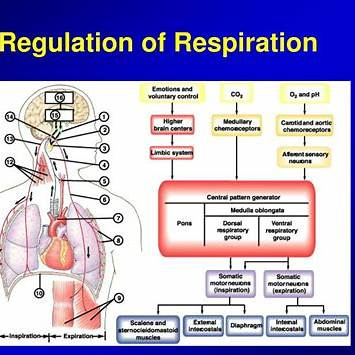
The most important chemical regulator of respiration is carbon dioxide (CO₂). The respiratory system’s primary function is to maintain optimal levels of oxygen (O₂), CO₂, and hydrogen ions (H⁺) in the body. Among these, CO₂ plays a pivotal role in controlling respiratory activity.
When CO₂ levels in the blood rise, it leads to an increase in hydrogen ion concentration, causing the blood to become more acidic (a decrease in pH). This change is detected by central chemoreceptors located on the ventrolateral surface of the medulla oblongata in the brainstem. These chemoreceptors are highly sensitive to fluctuations in the pH of cerebrospinal fluid, which mirrors changes in blood CO₂ levels. An elevated CO₂ concentration results in the formation of carbonic acid, which dissociates into hydrogen ions and bicarbonate, thereby lowering the pH. The central chemoreceptors respond to this acidic shift by stimulating the respiratory center to increase the rate and depth of breathing, facilitating the expulsion of excess CO₂ and restoring blood pH to normal levels.
Peripheral chemoreceptors, located in the carotid and aortic bodies, also contribute to respiratory regulation, though to a lesser extent regarding CO₂ detection. These receptors are more responsive to significant drops in blood oxygen levels (hypoxemia) and also detect changes in pH. When activated, they send signals via the glossopharyngeal and vagus nerves to the respiratory center, prompting adjustments in ventilation to address the altered blood gas levels.
The body’s sensitivity to CO₂ is such that even minor increases can lead to substantial changes in ventilation. This sensitivity underscores the critical role of CO₂ in respiratory control. In contrast, oxygen levels must drop significantly before eliciting a comparable respiratory response. This hierarchy ensures that CO₂ removal and pH balance are prioritized, highlighting the central importance of CO₂ as the primary chemical regulator of respiration.
Understanding the mechanisms by which CO₂ regulates breathing is essential, as it has implications for various clinical conditions. Disruptions in CO₂ levels can lead to respiratory disorders, emphasizing the need for precise control of this critical gas to maintain homeostasis.