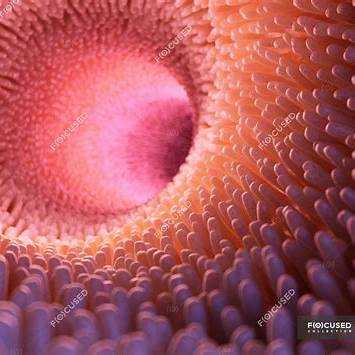
The villi are most developed in the
A) stomach.
C) jejunum.
E) cecum.
B) duodenum.
D) gallbladder.
The correct answer and explanation is :
The correct answer is C) jejunum.
Villi are tiny, finger-like projections lining the mucosa of the small intestine, significantly increasing its surface area to optimize nutrient absorption. Among the sections of the small intestine—the duodenum, jejunum, and ileum—the villi are most developed in the jejunum. This enhanced development in the jejunum facilitates efficient absorption of nutrients.
Structurally, each villus comprises a core containing blood vessels and a lymphatic capillary known as a lacteal. This arrangement enables the absorption of nutrients into the bloodstream and lymphatic system. The surface of each villus is covered by epithelial cells equipped with microvilli—microscopic projections that further amplify the absorptive surface area.
The duodenum, the initial segment of the small intestine, primarily focuses on the continuation of digestion by mixing chyme with digestive enzymes and bile. While it does possess villi, they are broader and shorter compared to those in the jejunum. Additionally, the duodenum contains Brunner’s glands in its submucosa, which secrete alkaline mucus to neutralize stomach acid.
The ileum, which follows the jejunum, also contains villi, but they are less prominent than those in the jejunum. The ileum’s primary role involves the absorption of vitamin B12 and bile acids, and it contains Peyer’s patches—aggregated lymphoid nodules important for immune function.
The stomach (option A) and gallbladder (option D) do not contain villi. The stomach’s inner surface features folds called rugae, which allow for expansion, but it lacks villi as its primary function is digestion rather than absorption. The gallbladder serves as a storage organ for bile and does not participate directly in nutrient absorption.
The cecum (option E), a pouch-like structure at the beginning of the large intestine, also lacks villi. The large intestine’s primary functions are the absorption of water and electrolytes and the formation of feces; it does not possess villi, as nutrient absorption is not its main role.
In summary, the jejunum’s highly developed villi are specialized for maximizing nutrient absorption, distinguishing it from other sections of the gastrointestinal tract.