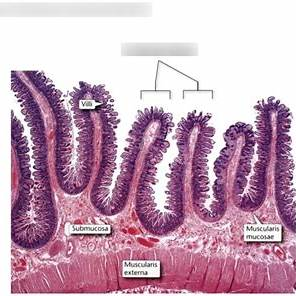
Plicae circulares are
A) ridges in the wall of the stomach.
B) circumferential folds in the mucosa and submucosa of the small intestine.
C) fingerlike projections on the surface of the mucosa of the small intestine.
D) sacculations in the colon.
E) abnormal structures formed by excessive pressure in the small intestine.
The correct answer and explanation is :
The correct answer is:
B) Circumferential folds in the mucosa and submucosa of the small intestine.
Explanation:
Plicae circulares, also known as circular folds or valves of Kerckring, are large, circular ridges found in the small intestine, specifically in the duodenum and jejunum (though they become less prominent in the ileum). These folds are formed by the mucosa and submucosa, and they play a crucial role in increasing the surface area for nutrient absorption.
Functions of Plicae Circulares:
- Increase Surface Area
- These folds significantly expand the absorptive surface of the small intestine, allowing for more efficient digestion and nutrient uptake.
- Slow Down the Movement of Chyme
- The spiral pattern of the folds helps slow the passage of food (chyme), ensuring that nutrients have sufficient time to be absorbed.
- Enhance Absorption Efficiency
- By increasing surface area and mixing the intestinal contents, plicae circulares improve contact between chyme and digestive enzymes.
How They Differ from Other Intestinal Structures:
- Unlike the ridges in the stomach (rugae), which flatten when the stomach is full, plicae circulares are permanent folds.
- Unlike villi (finger-like projections in the mucosa), plicae circulares are much larger and involve both the mucosa and submucosa.
- Unlike haustra (sacculations in the colon), which are found in the large intestine, plicae circulares are exclusive to the small intestine.