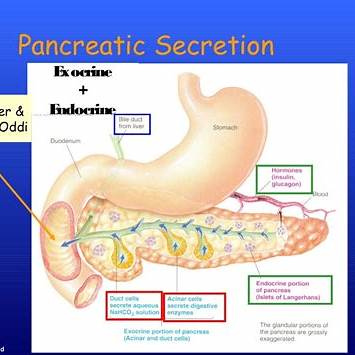
The intestinal hormone that stimulates the pancreas to release a watery, bicarbonate-rich fluid is
A) enterocrinin.
C) cholecystokinin.
B) secretin.
E) gastrin.
D) GIP.
The correct answer and explanation is :
The correct answer is:
B) Secretin
Explanation:
Secretin is a crucial hormone in the digestive system that plays a significant role in regulating the pH of the small intestine. It is produced by the S cells located in the mucosa of the duodenum, which is the first part of the small intestine.
Function of Secretin:
When acidic chyme (partially digested food mixed with stomach acid) enters the duodenum from the stomach, secretin is released into the bloodstream. This hormone then stimulates the pancreas to release a bicarbonate-rich fluid into the small intestine. The bicarbonate neutralizes the stomach acid, creating a more alkaline environment. This is essential because:
- Protects the intestinal lining – The stomach acid could damage the delicate lining of the small intestine if not neutralized.
- Optimizes enzyme activity – Digestive enzymes from the pancreas function best in a neutral or slightly alkaline pH.
- Prevents acid reflux into the duodenum – Secretin helps regulate gastric acid secretion by inhibiting the production of gastrin, a hormone that stimulates stomach acid release.
Comparison with Other Hormones in the Answer Choices:
- Enterocrinin (A): Stimulates intestinal glands to secrete digestive juices but does not affect the pancreas.
- Cholecystokinin (C): Stimulates the gallbladder to release bile and the pancreas to release digestive enzymes, but not bicarbonate.
- Gastrin (E): Stimulates gastric acid production in the stomach.
- Gastric Inhibitory Peptide (D) (GIP): Inhibits gastric motility and stimulates insulin secretion.
Thus, secretin is the primary hormone responsible for stimulating the pancreas to release a bicarbonate-rich fluid.