Who was associated with the famous Hawthorne Experiments?
(a) Elton Mayo
(b) Peter F Drucker
(c) Chester Barnard
(d) Douglas McGregor
The correct answer and explanation is :
The correct answer is (a) Elton Mayo.
Explanation:
The Hawthorne Experiments were a series of studies conducted at the Western Electric Company in Hawthorne, Illinois, during the late 1920s and early 1930s. The studies were originally designed to examine the effects of lighting conditions on worker productivity, but they later revealed much broader insights about the role of social factors and employee motivation in the workplace.
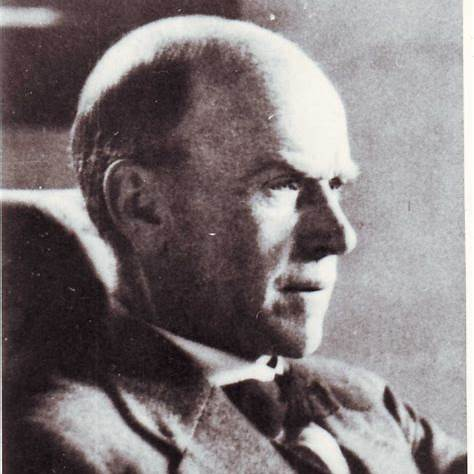
Elton Mayo, a renowned psychologist and organizational theorist, played a significant role in these experiments. He was part of the team that conducted the studies and helped interpret the results. The Hawthorne Experiments marked a major shift in the understanding of management and organizational behavior, as the findings suggested that workers’ productivity was not solely influenced by physical working conditions or pay, but also by social and psychological factors such as group dynamics, leadership, and the feeling of being observed.
The most famous finding of the Hawthorne studies was what became known as the Hawthorne Effect. This effect refers to the phenomenon in which individuals modify their behavior because they are aware that they are being observed. Workers in the study improved their productivity simply because they were receiving attention from the researchers.
Mayo’s work highlighted the importance of human relations and the psychological needs of workers, laying the foundation for the Human Relations Movement in management. This movement emphasized the value of understanding and addressing employees’ social and emotional needs to improve their performance, as opposed to purely focusing on physical conditions and financial incentives.
In contrast, other figures mentioned, such as Peter Drucker, Chester Barnard, and Douglas McGregor, contributed to management theory, but they were not directly involved in the Hawthorne Experiments.