Carbon-containing amino acid degradation products can be converted to
a.glucose
b.ketone bodies
c.fatty acids
d.more than one correct response
e.no correct response
The correct answer and explanation is :
The correct answer is:
d. more than one correct response
Explanation:
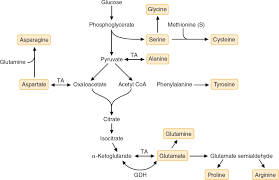
Amino acid degradation produces carbon-containing intermediates that can be converted into multiple metabolic products depending on the type of amino acid being broken down. Amino acids are classified as glucogenic, ketogenic, or both based on their metabolic fate:
- Glucogenic Amino Acids → Glucose
- Glucogenic amino acids (e.g., alanine, glutamine, serine) can be converted into intermediates of the citric acid (Krebs) cycle, such as oxaloacetate or pyruvate.
- These intermediates can then be used in gluconeogenesis, a process in which glucose is synthesized in the liver during fasting or energy-demanding conditions.
- Ketogenic Amino Acids → Ketone Bodies
- Ketogenic amino acids (e.g., leucine and lysine) are broken down into acetyl-CoA or acetoacetate, which are precursors for ketone body formation.
- Ketone bodies serve as an alternative energy source, especially during prolonged fasting or low-carbohydrate intake.
- Amino Acids → Fatty Acids
- Acetyl-CoA generated from some amino acids can also be diverted into fatty acid synthesis via the lipogenesis pathway.
- This occurs when there is an excess of energy intake, leading to storage of surplus carbon in the form of triglycerides.
Conclusion:
Since different amino acids contribute to multiple pathways, more than one metabolic product can result from amino acid degradation. Therefore, the correct answer is d. more than one correct response because amino acids can be converted into glucose, ketone bodies, and fatty acids depending on the body’s energy needs.