_ is typically job or situation specific.
a. Punishment
b. Tacit knowledge
c. Negative reinforcement
d. Explicit knowledge
e. Positive reinforcement
The correct answer and explanation is :
The correct answer is:
b. Tacit knowledge
Explanation:
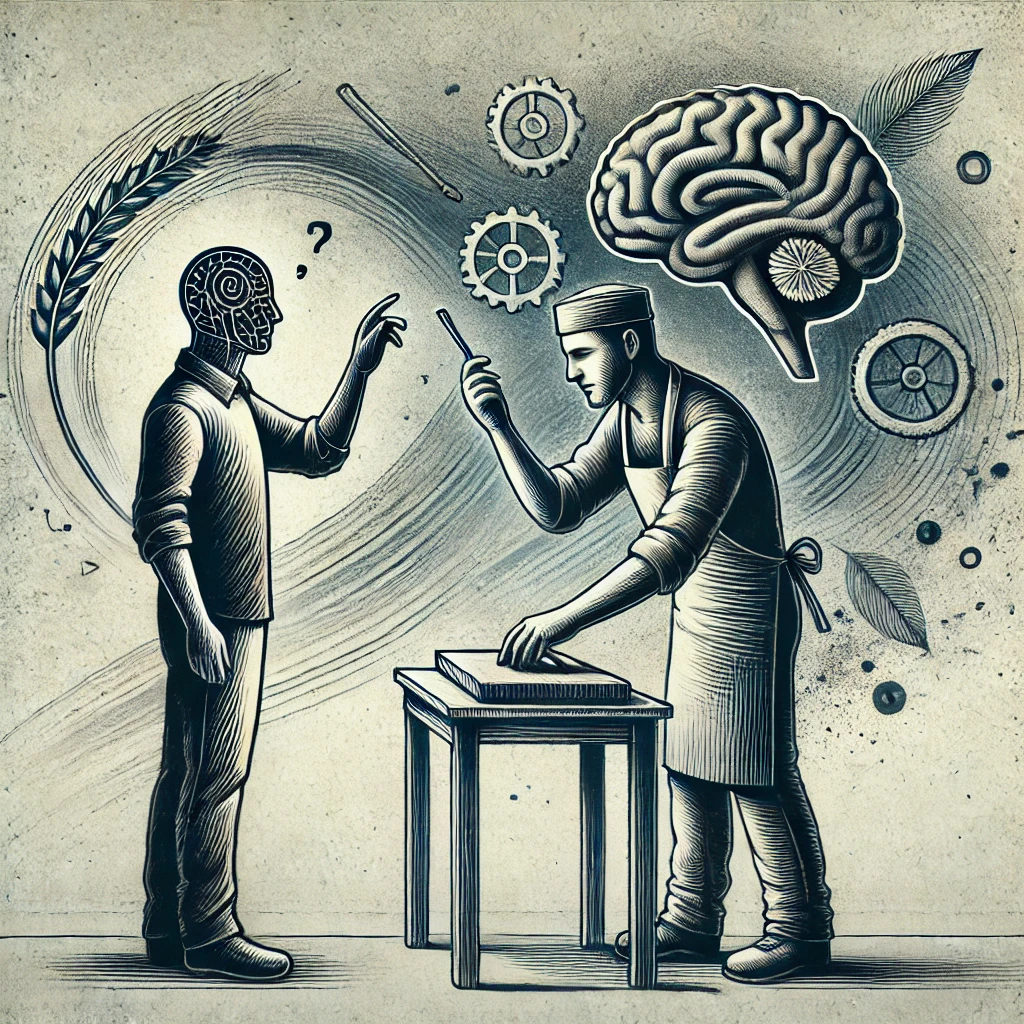
Tacit knowledge is typically job- or situation-specific because it consists of personal insights, experiences, and skills that are difficult to formalize or transfer to others through written or verbal communication. This type of knowledge is acquired through hands-on experience, observation, and practice rather than through formal education or documentation.
For example, an expert chef may have a deep understanding of how to balance flavors in a dish, but explaining this skill to a beginner is challenging. Similarly, an experienced mechanic may quickly diagnose car issues based on subtle sounds or vibrations that would go unnoticed by an untrained person.
Tacit knowledge differs from explicit knowledge, which is easily documented and shared, such as instruction manuals, textbooks, or standard operating procedures. While explicit knowledge can be written down and taught in classrooms, tacit knowledge is often learned through mentorship, on-the-job training, and direct experience in real-world situations.
Since tacit knowledge is deeply tied to specific jobs or environments, it is essential for professional growth and expertise in many fields, including medicine, leadership, artistry, and skilled trades. Organizations often encourage knowledge-sharing through collaboration, apprenticeships, and knowledge management strategies to capture and transfer tacit knowledge effectively.