Which of the following are primary lymphoid organs?
spleen and thymus
lymph nodes and tonsils
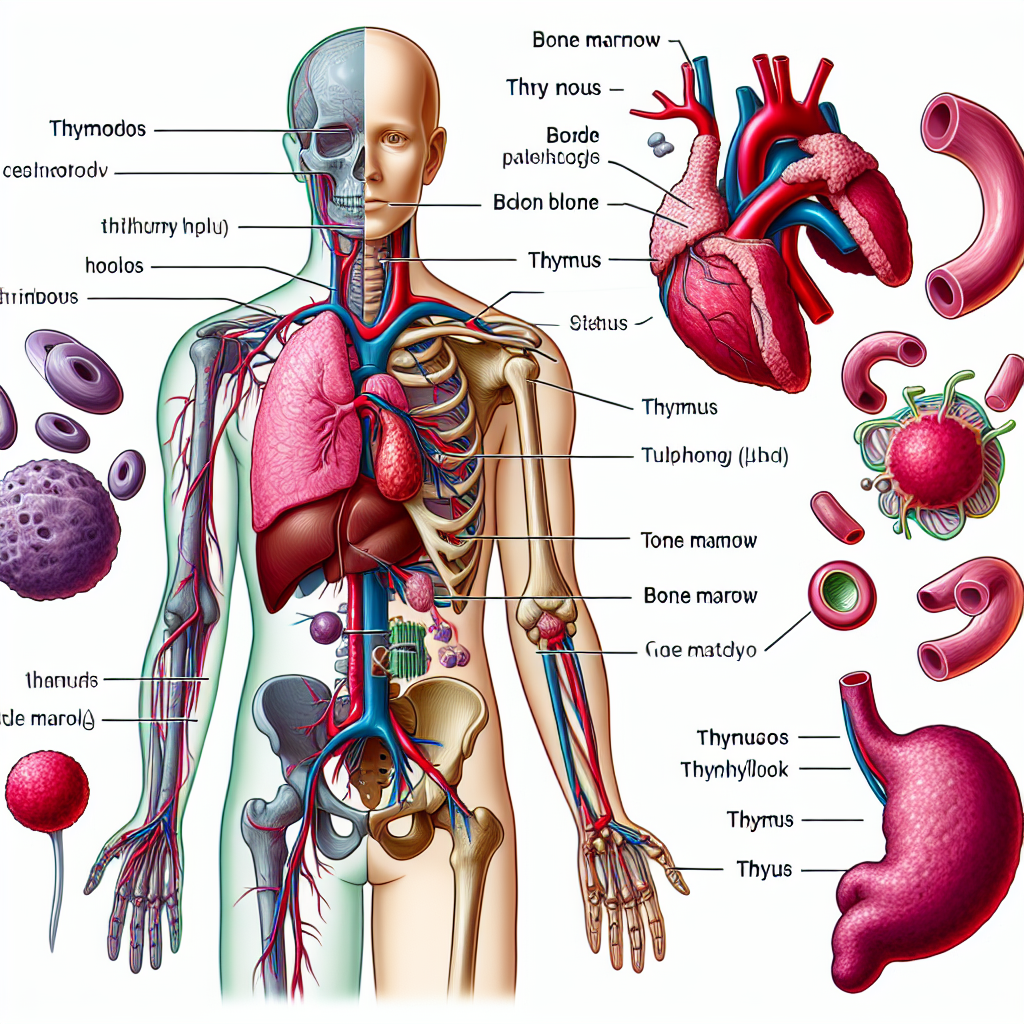
bone marrow and thymus
appendix and spleen
The correct answer and explanation is :
Correct Answer:
Bone marrow and thymus
Explanation (300 words):
The lymphatic system is a vital part of the immune system, responsible for the production and maturation of lymphocytes (a type of white blood cell). It consists of primary and secondary lymphoid organs, each serving different functions.
Primary lymphoid organs are where lymphocytes originate and mature. These include:
- Bone marrow: This is the site where all blood cells, including lymphocytes, are produced. B cells mature in the bone marrow, gaining the ability to recognize antigens.
- Thymus: Located in the upper chest, the thymus is where T cells mature after being produced in the bone marrow. During this maturation, T cells undergo selection processes to ensure they can recognize pathogens but not attack the body’s own tissues.
Together, the bone marrow and thymus prepare lymphocytes to function effectively in the immune response.
On the other hand, secondary lymphoid organs are where mature lymphocytes become activated in response to foreign invaders:
- Spleen: Filters blood and helps detect blood-borne pathogens.
- Lymph nodes: Filter lymph fluid and provide a site for immune cell interaction.
- Tonsils and appendix: Contain lymphoid tissue that protects against pathogens entering through the mouth and digestive tract.
Therefore, bone marrow and thymus are the correct pair of primary lymphoid organs because they are the initial sites of immune cell development and maturation. The others listed (spleen, lymph nodes, tonsils, appendix) are secondary lymphoid organs that support immune responses but do not generate or mature lymphocytes.