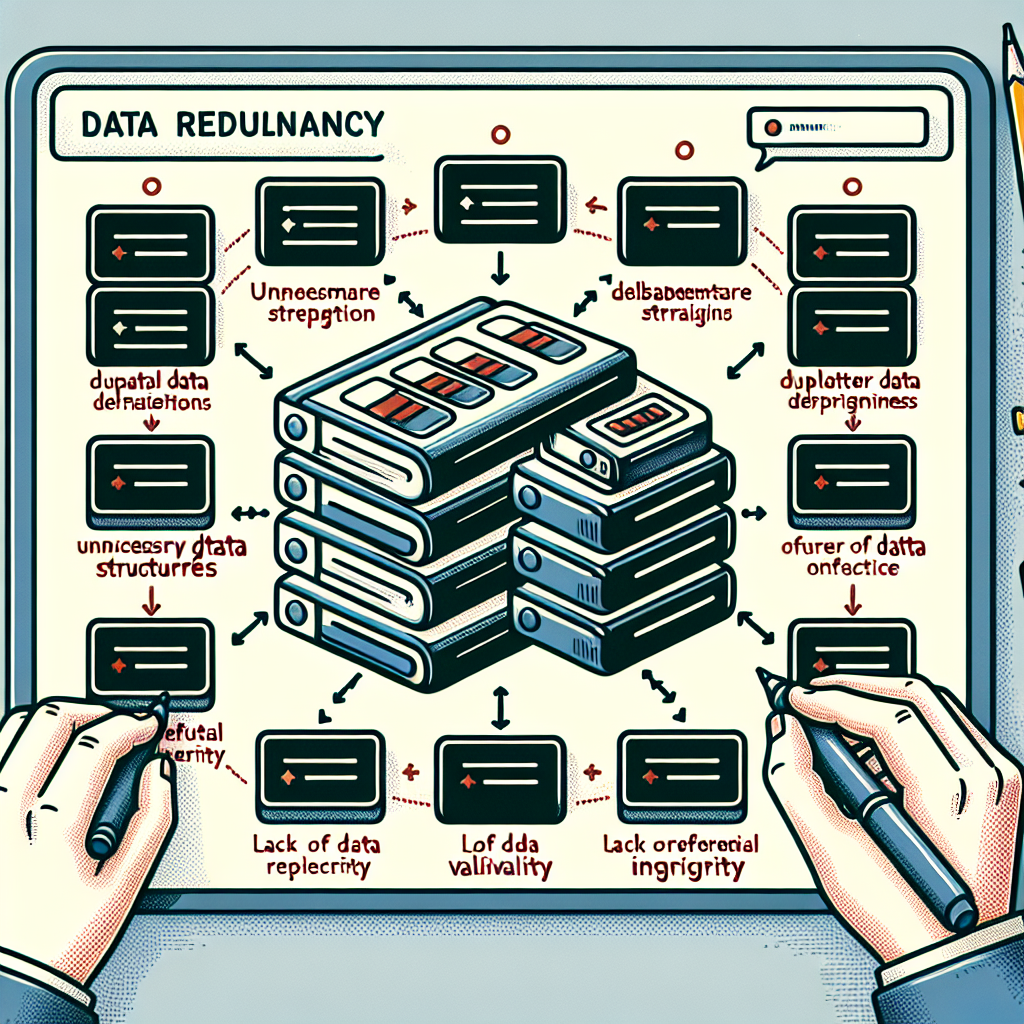
What is data redundancy, and which characteristics of the file system can lead to it?
The correct answer and explanation is :
Correct Answer:
Data redundancy refers to the unnecessary duplication of data within a system, where the same piece of data is stored in multiple places. In file systems, this often occurs when data is stored in multiple files or locations without a proper centralized management system.
Explanation (300 Words):
Data redundancy is a common issue in file-based systems where the same data element is stored in multiple files across different departments or applications. While some level of redundancy might be intentional for backup or performance, excessive redundancy leads to wasted storage space, increased data maintenance costs, and potential data inconsistency.
In file-based systems, several characteristics contribute to data redundancy:
- Lack of Centralized Control: In traditional file systems, each application or department may create and maintain its own data files independently. Without a central authority to coordinate data storage, the same data may be entered multiple times in different files.
- No Data Integration: File systems often lack mechanisms to integrate or share data across applications. As a result, similar datasets are maintained separately by different departments (e.g., customer records maintained by both sales and support).
- Data Dependency: In file-based systems, the structure of the data is often embedded in the application code. Any change in data format requires changes in all applications using that data, discouraging reuse and encouraging the creation of new, redundant files.
- File Structure Rigidity: File systems typically have rigid data structures, making it difficult to adapt to new information needs without creating new files, which often leads to duplicating existing data.
- Manual Data Entry and Duplication: Since many file systems rely on manual data entry, there’s a high chance of users inputting the same data multiple times in different locations.
To reduce data redundancy, organizations often transition to Database Management Systems (DBMS), which provide centralized data control, eliminate duplication through normalization, and maintain data integrity across multiple applications.