The Correct Answer and Explanation is:
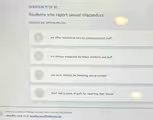
Based on the provided image, the correct answer is that students who report sexual misconduct are often disbelieved by institutional staff.
This answer reflects a difficult and well documented reality known as institutional betrayal. When students summon the courage to report sexual misconduct, they are theoretically supposed to enter a system of support and justice. However, their experience can be the opposite. Institutional betrayal occurs when the very organization a person depends on for safety and support, such as a university, fails to respond appropriately. This failure can take many forms, including actively disbelieving the survivor’s account.
Staff members may doubt the report due to a lack of training, personal biases, or a misguided desire to protect the institution’s reputation. This disbelief is profoundly damaging. It can re-traumatize the survivor, compounding the original trauma with feelings of invalidation, shame, and isolation. The survivor, who is already in a vulnerable state, is made to feel as though they are the one on trial. This response can have severe consequences for the student’s mental health, academic performance, and overall well being.
The other options are incorrect because they represent either an ideal that is not consistently met or a misunderstanding of survivor psychology. Survivors are not “always” protected, and victim blaming, unfortunately, does occur. Furthermore, it is very common for survivors to experience complex emotions, including a sense of guilt or self-blame, even though they have done nothing wrong. Recognizing the harsh reality that survivors are often disbelieved is a critical first step for institutions to reform their processes, improve training for staff, and create a campus culture that truly supports those who come forward.